Accredited Short Courses

Search Results for: cross contamination

Define Cross Contamination

Define Cross Contamination: Causes, Examples, and Prevention in Food Safety

Define Cross Contamination: Causes, Examples, and Prevention in Food Safety Key Takeaways Cross contamination spreads bacteria and allergens fast—keep raw and cooked foods separate. Main sources: food, people, and unclean equipment. Prevention starts with hygiene, storage, and colour-coded tools. Temperature control (5°C–60°C) stops bacteria growth. Australian law requires strict food safety and staff training. Regular […]

Define Cross Contamination: Causes, Examples, and Prevention in Food Safety Read More »
What Is Cross Contamination Meaning Examples How to Avoid It

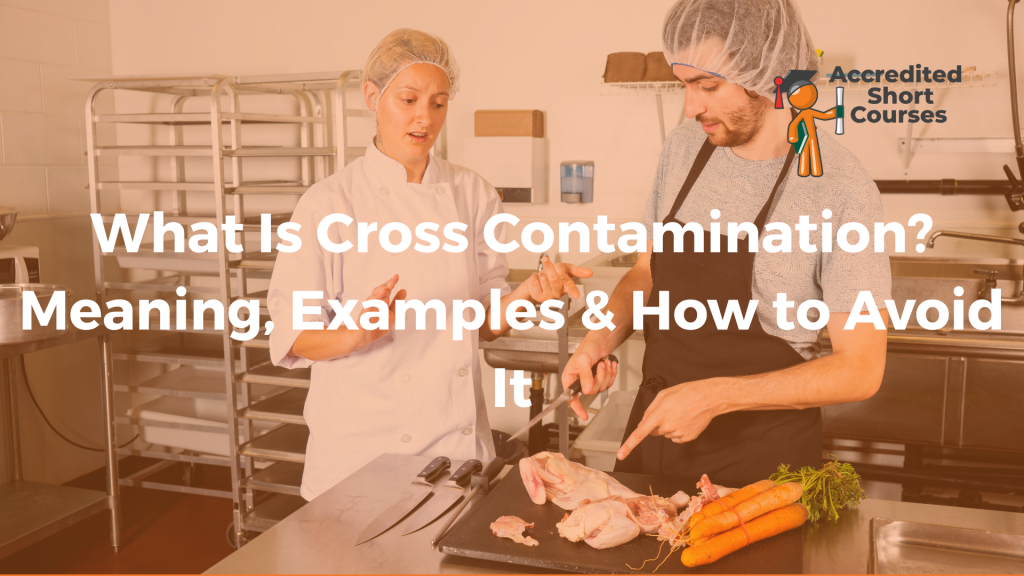
What Is Cross Contamination? Meaning, Examples & How to Avoid It

Introduction Cross contamination is one of the most common yet dangerous hazards in both home kitchens and commercial food environments. From spreading bacteria between raw and cooked foods to triggering life-threatening allergic reactions, this invisible threat can have serious health and legal consequences. In this guide, you will learn the meaning of cross contamination, its

What Is Cross Contamination? Meaning, Examples & How to Avoid It Read More »

What Is Cross Contamination in Food Types Risks and How to Prevent It

What Is Cross Contamination in Food? Types, Risks, and How to Prevent It

Introduction Cross contamination in food refers to the unintentional transfer of harmful microorganisms, chemicals, or allergens from one substance or surface to another. It is a major contributor to foodborne illness outbreaks and remains a top concern for food safety regulators across Australia. Whether it is using the same chopping board for raw meat and

What Is Cross Contamination in Food? Types, Risks, and How to Prevent It Read More »

Cross Contamination in Food Causes Examples Prevention

Cross Contamination in Food: Causes, Examples & Prevention

Cross Contamination in Food: Causes, Examples & Prevention Key Takeaways Cross contamination in food handling is a major workplace safety risk. Bacteria and allergens spread via hands, tools, storage, and surfaces. Direct, indirect, and allergenic cross contamination require tailored prevention. Poor hygiene and staff training are leading causes of contamination. Foodborne illnesses like Salmonella and

Cross Contamination in Food: Causes, Examples & Prevention Read More »

What is Cross Contamination A Complete Guide to Food Safety Risks

What is Cross Contamination: A Complete Guide to Food Safety Risks

Cross Contamination in Food Safety: A Complete Guide to Risks and Prevention Key Takeaways on Cross Contamination Cross contamination is a major cause of foodborne illness in Australia. It happens when harmful bacteria or chemicals transfer between foods, hands, or surfaces. The three main types are biological, chemical, and physical contamination. Common mistakes include improper

What is Cross Contamination: A Complete Guide to Food Safety Risks Read More »

How to Prevent Cross Contamination in Food Handling and Workplaces

How to Prevent Cross Contamination in Food Handling and Workplaces

How to Prevent Cross Contamination in Food Handling and Workplaces Key Takeaways Cross contamination spreads harmful bacteria, viruses, or allergens between foods, hands, and surfaces. Direct contamination happens through immediate contact; indirect occurs via tools or surfaces. Common causes include poor hand hygiene, dirty equipment, raw food contact with ready-to-eat foods, and unsafe storage. Prevention

How to Prevent Cross Contamination in Food Handling and Workplaces Read More »

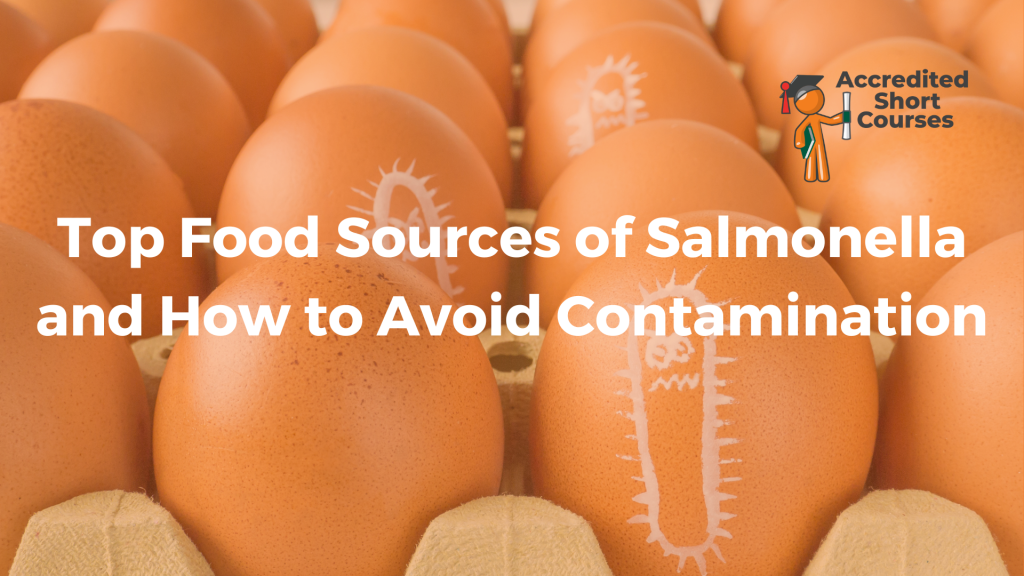
Top Food Sources of Salmonella and How to Avoid Contamination

Top Food Sources of Salmonella and How to Avoid Contamination

What Is Salmonella? Salmonella is a type of bacteria responsible for foodborne illness in both humans and animals. It is one of the leading causes of food poisoning in Australia, frequently linked to raw eggs, poultry, and fresh produce. There are two main types: Typhoidal – causes typhoid fever. Non-typhoidal – causes food-related illness and

Top Food Sources of Salmonella and How to Avoid Contamination Read More »

FoodSafe Certificate Get Certified in Food Safety Across Australia

FoodSafe Certificate: Get Certified in Food Safety Across Australia

FoodSafe Certificate: Get Certified in Food Safety Across Australia The FoodSafe Certificate is a council-recommended food safety training originally developed by Environmental Health Australia (EHA). Local councils in Western Australia widely use it and is available online across Australia as an affordable, practical introduction to food hygiene and safe food handling. Key takeaways FoodSafe is

FoodSafe Certificate: Get Certified in Food Safety Across Australia Read More »

How Proper Food Packaging Prevents Contamination and Ensures Food Safety

How Proper Food Packaging Prevents Contamination and Ensures Food Safety

Why Food Packaging Matters for Safety and Hygiene Food packaging does more than contain and transport food — it’s a crucial barrier against contamination. In Australia, where foodborne illnesses affect thousands annually, proper packaging practices are vital across hospitality, retail, and food production industries. Whether you’re a café worker, supermarket employee, food delivery partner, or

How Proper Food Packaging Prevents Contamination and Ensures Food Safety Read More »

Kinds of Food Contamination Types Examples Prevention Tips

Kinds of Food Contamination: Types, Examples & Prevention Tips

Key Takeaways – Food Contamination Food contamination is a significant risk to health and safety in Australia. The 4 types of contamination are biological, chemical, physical, and cross-contamination. Poor hygiene and incorrect storage are leading causes of contamination. FSANZ enforces strict food safety standards across all Australian states. Food safety training reduces risks and supports

Kinds of Food Contamination: Types, Examples & Prevention Tips Read More »

Select a State/Region

Please select one of the below options to continue.

> RSA Online Australia

> RSA Online VIC

> RSA Online NSW

> RSA Online QLD

> RSA Online WA

> RSA Online SA

> RSA Online NT

> RSA Online ACT

> RSA Online TAS

Select a State/Region

Please select one of the below options to continue.

> RSA Online Australia

> RSA Online VIC

> RSA Online NSW

> RSA Online QLD

> RSA Online WA

> RSA Online SA

> RSA Online NT

> RSA Online ACT

> RSA Online TAS

Select a State/Region

Please select one of the below options to continue.

> RSA Online Australia

> RSA Online VIC

> RSA Online NSW

> RSA Online QLD

> RSA Online WA

> RSA Online SA

> RSA Online NT

> RSA Online ACT

> RSA Online TAS

Select a State/Region

Please select one of the below options to continue.

> RSA Online Australia

> RSA Online VIC

> RSA Online NSW

> RSA Online QLD

> RSA Online WA

> RSA Online SA

> RSA Online NT

> RSA Online ACT

> RSA Online TAS