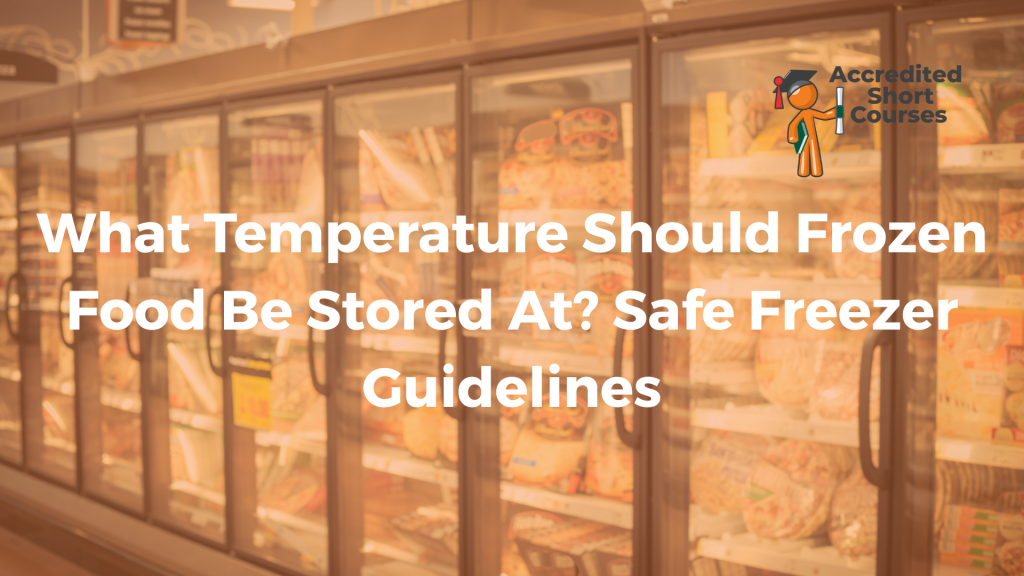
What Temperature Should Frozen Food Be Stored At? Safe Freezer Guidelines

Introduction
Frozen food is a staple in Australian homes, commercial kitchens, supermarkets, and hospitality venues. But keeping frozen food safe requires more than just putting it in the freezer and forgetting about it. Correct temperature control is essential to avoid foodborne illnesses, reduce spoilage, and comply with food safety laws.
This guide outlines the correct freezer temperatures required by Australian food safety regulations, explains how to store frozen items safely, and offers advice for both households and food businesses.
Key Takeaways (for quick reference)
- In Australia, frozen food must be stored at -18°C or below (legal requirement).
- Monitor freezer temperatures regularly using digital or dial thermometers.
- Avoid overpacking freezers to maintain airflow and consistent cooling.
- Use the FIFO (First In, First Out) method and label items with dates.
- High-risk foods such as meat, seafood, and dairy desserts require strict temperature control.
- During power outages, unopened freezers can keep food safe for 24–48 hours.
- Safe packaging such as vacuum sealing or airtight containers helps prevent freezer burn.
- Food businesses must keep records of freezer temperatures and comply with HACCP/FSANZ standards.
Understanding Frozen Food Storage Standards in Australia
Why Freezer Temperature Matters
Freezer temperature plays a crucial role in preserving food quality and preventing harmful microorganisms from thriving. If frozen food is not kept at the correct temperature, risks include:
- Bacterial growth: Freezing slows microbial activity, but bacteria such as Listeria monocytogenes can survive and reactivate if temperatures rise.
- Freezer burn: Air exposure causes moisture loss, leading to dry, leathery patches.
- Nutrient degradation: Some vitamins may break down at fluctuating temperatures.
- Loss of texture and flavour: Prolonged or improper freezing impacts quality.
The Official Recommended Freezing Temperature
According to Food Standards Australia New Zealand (FSANZ), frozen food must be stored at -18°C or below to ensure safety and maintain quality. This guideline is supported by state authorities including Food Authority NSW, Health Victoria, and Safe Food Queensland.
Legal Temperature Requirements for Businesses
Under the Australia New Zealand Food Standards Code, businesses must:
- Keep frozen foods at -18°C or below.
- Monitor and record temperatures.
- Maintain the cold chain during transport and storage.
Failure to meet these standards can result in penalties, fines, or even business closures.
What Types of Foods Must Be Stored Frozen and Why
High-Risk Foods Requiring Freezing
Certain foods are classified as high-risk due to their potential to harbour bacteria if not frozen correctly:
- Raw and cooked meats (beef, chicken, lamb, pork)
- Seafood (fish, prawns, calamari)
- Deli meats and sausages
- Pre-prepared meals or leftovers
- Dairy-based desserts (such as ice cream)
Foods That Can Be Frozen for Extended Shelf Life
Other foods can be frozen safely to extend usability and reduce waste:
- Bread and bakery goods (1–3 months; may lose texture)
- Butter and hard cheeses (freeze well when wrapped)
- Vegetables and fruits (best blanched before freezing)
- Cooked rice and pasta (safe if cooled before freezing)
Best Practices for Storing Frozen Food at Home

Setting and Monitoring Your Freezer’s Temperature
- Set your freezer to -18°C or colder.
- Use a thermometer to confirm accuracy.
- Install an alarm to detect temperature changes.
Freezer Organisation and Airflow
- Do not overpack your freezer, as airflow is essential.
- Cool hot food before freezing.
- Place newer items at the back, older ones at the front.
Labelling and FIFO (First In, First Out)
- Label items with freezing dates.
- Always use older items first.
- Refer to storage charts for safe timeframes.
Commercial and Workplace Frozen Storage Requirements
Freezer Storage for Hospitality and Retail Businesses
Cafés, restaurants, and retail outlets must follow HACCP principles:
- Storage at -18°C or colder.
- Adequate space to prevent overloading.
- Regular freezer checks and servicing.
Frozen Food Transport and Delivery
- Refrigerated trucks must operate at -18°C.
- Use insulated containers for delivery.
- Limit exposure outside of freezers to 15–30 minutes.
Record Keeping and Compliance
- Log freezer temperatures daily.
- Keep delivery documentation.
- Train staff in food handling and hygiene.
What Happens If Frozen Food Isn’t Stored Properly
Signs of Unsafe Frozen Food
- Ice crystals inside packaging
- Freezer burn (dry, discoloured patches)
- Strange odours or colours
- Texture changes from thawing and refreezing
Consequences for Businesses
Improper frozen storage can cause:
- Foodborne outbreaks such as listeriosis
- Regulatory action and fines
- Loss of customers and reputation
Tips to Keep Frozen Food Safe During Power Outages
How Long Frozen Food Stays Safe Without Power
- A full freezer keeps food safe for 48 hours; half-full for about 24.
- Use a thermometer to check temperature.
- If food remains at -18°C, it is safe to refreeze.
What to Do After a Power Cut
- Check freezer temperature immediately.
- Discard perishable items above 5°C for more than 2 hours.
- Refer to Health Victoria for food safety advice.
Freezing Food Safely: Preparation Before Storage
Safe Packaging Methods
- Use vacuum sealers, freezer bags, or airtight containers.
- Remove excess air.
- Label and date all items.
Cooling Before Freezing
Avoid placing hot food directly in the freezer. Instead:
- Cool quickly in the fridge or ice bath.
- Prevent temperature spikes that endanger other food.
How to Check and Maintain Your Freezer’s Temperature

Using a Freezer Thermometer
- Dial thermometers: Affordable but less precise.
- Digital thermometers: Accurate, with alerts.
- Place in the freezer centre for reliable readings.
When to Defrost and Clean Your Freezer
- Defrost when ice exceeds 5mm.
- Inspect seals regularly.
- Clean with mild soap and warm water.
Frequently Asked Questions (FAQ)
What temperature should frozen food be stored at in Australia?
Frozen food must be stored at -18°C or below, in line with FSANZ standards.
Is -15°C cold enough for frozen food?
No. -15°C is not safe long-term. -18°C is the recommended and legal minimum.
What happens if frozen food warms above -18°C?
The risk of bacterial growth and spoilage increases, even if food looks frozen.
Can frozen food be stored in a fridge temporarily?
Only if you plan to thaw and cook it immediately. A fridge (around 4°C) is too warm for safe frozen storage.
How do I know if frozen food has gone bad?
Check for freezer burn, unusual smells, or visible thawing. If in doubt, throw it out.
What’s the safe freezer temperature during a power outage?
As long as food stays at or below -18°C, it is safe. Keep the door closed and monitor with a thermometer.
Do all types of frozen food need the same temperature?
Yes. Regardless of type, -18°C is the safe minimum.
What is the legal freezer temperature for Australian food businesses?
Businesses must store frozen food at -18°C or below and keep temperature records.
Can you refreeze thawed food safely?
Only if it was thawed in the fridge and has not risen above 5°C. Refreezing may affect quality.
How can I check if my freezer is maintaining the right temperature?
Use a digital or dial thermometer. In commercial kitchens, check daily; at home, weekly is sufficient.
Final Thoughts
Knowing what temperature frozen food should be stored at is essential for Australians at home and in business. By following the national standard of -18°C, monitoring your freezer regularly, and using safe storage practices, you can keep your food safe, nutritious, and compliant with regulations.
For those in the food industry, accredited food safety training can further enhance your knowledge of frozen food management and compliance.