Introduction
Australia has one of the strictest biosecurity frameworks in the world, and for good reason. The country’s unique ecosystem, thriving agriculture, and pest-free status make it especially vulnerable to imported food risks, including nuts. If you’re travelling to Australia or receiving a package containing nuts, it’s critical to understand what’s allowed, what must be declared, and what could get you fined or even turned away at the border.
This guide explains everything you need to know about bringing nuts into Australia, including customs regulations, permitted or restricted nut types, how to declare them properly, and tips to avoid costly mistakes.
Why Australia Restricts Certain Foods at the Border
Biosecurity Risks from Imported Nuts
Australia’s biosecurity laws aim to protect native plants, animals, agriculture, and public health from invasive pests and diseases. Nuts—especially raw or in-shell varieties—can carry:
- Insect pests such as khapra beetles or nut weevils
- Fungi that cause mould or rot
- Plant pathogens like crop-affecting viruses
Even a single infested nut can lead to widespread contamination or agricultural damage. In 2021, the Department of Agriculture, Fisheries and Forestry (DAFF) intercepted nut shipments containing live insects, resulting in destruction or re-exportation.
Australia’s Biosecurity Act and Traveller Obligations
Under the Biosecurity Act 2015, all travellers entering Australia must declare any food products, including nuts, on their Incoming Passenger Card. Failure to declare is a serious offence. Customs and biosecurity officers may inspect, seize, or destroy non-compliant items, even if they appear safe.
Which Types of Nuts Are Allowed or Restricted
The permissibility of nuts in Australia depends on their processing, packaging, and country of origin. Always check the Biosecurity Import Conditions System (BICON) for the latest rules.
Allowed Nuts – Roasted, Commercially Packaged
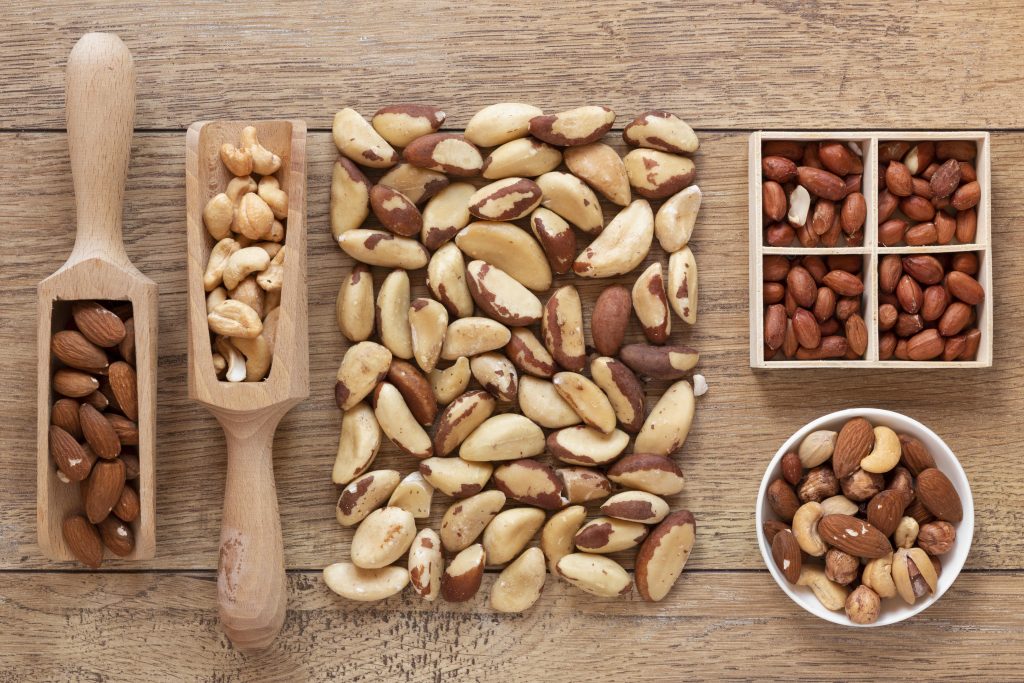
Nuts that are roasted, commercially packaged, and clearly labelled are generally allowed. Examples include:
- Roasted almonds
- Roasted peanuts
- Roasted cashews
- Roasted macadamias
Requirements:
- Sealed packaging
- Clear ingredient and country-of-origin labelling
- Free from contamination or visible damage
- Manufactured by a commercial processor
All permitted nuts must still be declared at the border.
Conditionally Allowed Nuts – With Treatment or Inspection
Some nuts are permitted only under certain conditions:
- Pistachios – May require fumigation or heat treatment
- Hazelnuts – Often need to be shelled and treated
- Walnuts (in-shell) – High risk if untreated
Travellers may need to provide documentation or have items inspected by quarantine officers.
Prohibited Nuts – High-Risk and Raw Nuts
Some nuts are not allowed into Australia due to high contamination or pest risks:
- Raw, in-shell nuts from high-risk countries
- Homemade or unpackaged nuts
- Nuts from countries with known pest outbreaks
DAFF frequently seizes shipments from parts of the Middle East and South Asia due to non-compliance with fumigation standards.
Declaring Nuts When Entering Australia
Completing the Incoming Passenger Card
You must tick “Yes” to the question:
“Are you bringing into Australia any food, plant material or animal products?”
Declaration doesn’t mean automatic confiscation—it ensures your items are assessed.
What Happens After Declaration
After declaring:
- Your items may be inspected
- Officers may ask about packaging, origin, or intended use
- You may be asked for documentation
- Non-compliant items may be seized or destroyed
Penalties for Failing to Declare
Penalties for false declarations include:
- Fines up to $6,260
- Visa cancellation
- Criminal charges or refusal of entry for repeat breaches
Bringing Nuts into Australia by Mail or Courier
Sending or receiving nuts by post still requires biosecurity compliance.
Declaring Nuts via Mail
- Use a reputable courier or postal service
- Complete a detailed customs declaration
- Follow BICON rules for treatment or certification
- Avoid mailing raw, loose, or homemade nuts
What Happens If You Receive Non-Compliant Parcels
- Items may be seized or destroyed
- You or the sender may be fined or warned
- Repeat offences could lead to blocked deliveries
Domestic Rules: State-Based Nut Restrictions
State Quarantine Requirements
While federal laws apply at the border, state-specific rules may apply:
- Western Australia (WA) has stringent quarantine controls, including for nuts.
- South Australia (SA) and Tasmania may restrict transport of in-shell or untreated nuts across borders.
Check the Interstate Quarantine website for details.
Travel Tips: How to Bring Nuts into Australia Safely
- Buy nuts from reputable retailers
- Keep them in factory-sealed, commercial packaging
- Avoid homemade, loose, or ziplocked nuts
- Check expiry dates and ensure the label is clear and in English
- Declare everything, even if you’re unsure
Special Circumstances: Medical or Cultural Reasons
If you’re travelling with nuts for dietary, medical, or religious purposes:
- Carry a doctor’s letter (if medically necessary)
- Provide original packaging with ingredient lists
- Declare and be ready for inspection
Food Handling and Food Safety Considerations
Good food handling practices and food safety compliance are essential. Improperly packaged or contaminated nuts can pose health risks. Whether travelling or shipping, ensure items are stored and transported hygienically. Consider taking a certified food safety course for additional guidance.
Summary: Key Rules for Bringing Nuts into Australia
- Nuts are allowed but must meet strict conditions
- Roasted, commercially packaged nuts are generally permitted
- Raw, in-shell, or homemade nuts are high-risk or banned
- All food items must be declared
- Penalties apply for non-declaration
- Always check DAFF’s BICON system and ABF tools before travel
Frequently Asked Questions (FAQs)
Can I bring almonds into Australia from overseas?
Yes, you can bring roasted almonds if they are commercially packaged and properly declared at customs. Raw almonds may be restricted due to biosecurity concerns.
Are roasted peanuts allowed in my luggage?
Yes, roasted peanuts are generally allowed as long as they are factory-sealed and declared upon arrival.
Do I have to declare packaged nuts at customs?
Yes. All food items, including commercially packaged nuts, must be declared when entering Australia.
Can I bring trail mix with nuts into Australia?
Only if it is commercially packaged and free from restricted ingredients like fresh fruit or seeds that require certification.
What happens if I don’t declare nuts at the airport?
Failure to declare nuts and other food products can result in fines, visa cancellation, or being denied entry into Australia.
Are nuts from Asia or the Middle East banned in Australia?
Not all nuts from these regions are banned, but some may require biosecurity certification depending on the country of origin.
Can I post nuts to someone in Australia?
Yes, you can send nuts to Australia by post if they meet BICON import conditions and are clearly declared.
Are pistachios and cashews treated the same?
No. Cashews are typically allowed if roasted and commercially packaged. Pistachios may require specific treatment or documentation before they can be brought in.
What’s the best packaging for bringing nuts into Australia?
Use factory-sealed, clearly labelled, and undamaged commercial packaging to ensure compliance with Australian biosecurity regulations.