Essential Safe Food Handling Practices to Prevent Foodborne Illnesses
Key Takeaways
- Safe food handling prevents 4.1 million foodborne illnesses in Australia each year.
- Always wash hands for 20 seconds before handling or preparing food.
- Cook poultry to at least 75°C and reheat leftovers to the same temperature.
- Never wash raw chicken—it spreads bacteria around the kitchen.
- Keep cold foods below 5°C and hot foods above 60°C to avoid the danger zone.
- Use separate cutting boards for raw meat and fresh produce to prevent cross-contamination.
- Follow the FIFO (First In, First Out) method for food storage to reduce waste and spoilage.
- Regular cleaning and sanitising prevent bacterial build-up on kitchen surfaces.
- Food handler training is mandatory for Australian food businesses.
- Adhering to Australian food safety standards (Standard 3.2.2) helps protect public health and business reputation.
Introduction to Food Safety
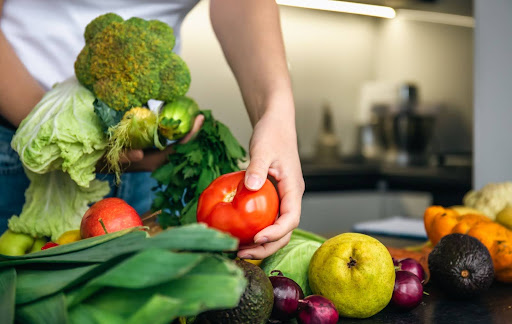
Every year, 4.1 million Australians suffer from foodborne illnesses caused by unsafe food handling. Food safety isn’t just a legal requirement—it’s essential for protecting public health and maintaining the success of food businesses nationwide.
Safe food handling follows four key principles: cleaning, separating, cooking, and chilling. Mastering these principles significantly reduces contamination and keeps food safe to eat. This guide explores each principle, highlights common mistakes, and provides Australia-specific regulations and best practices.
Understanding Foodborne Illnesses in Australia
Foodborne illnesses occur when contaminated foods or drinks introduce harmful bacteria, viruses, or chemicals into the body. Common pathogens include Salmonella, E. coli, Listeria, and norovirus.
In Australia, these illnesses account for millions of cases each year, leading to hospitalisations and economic costs exceeding AU$1.2 billion.
Recognising and Responding to Foodborne Illnesses
Common Symptoms
- Nausea and vomiting
- Diarrhoea
- Abdominal cramps
- Fever and chills
If symptoms appear, report to supervisors or local health authorities immediately and seek medical attention—especially for vulnerable individuals like children or the elderly.
After an Incident
- Discard contaminated food.
- Clean and sanitise all affected surfaces and utensils.
- Review and reinforce safe food handling practices.
Personal Hygiene Practices for Food Handlers
Good personal hygiene prevents the spread of harmful bacteria. According to Food Standards Australia New Zealand (FSANZ), proper handwashing is the most effective method to stop contamination.
Proper Handwashing Technique
- Wet hands under warm running water.
- Apply soap and lather for at least 20 seconds.
- Scrub between fingers and under nails.
- Rinse and dry with a disposable paper towel.
Appropriate Attire
- Clean clothing or uniforms.
- Hairnets or hats to prevent hair contamination.
- Disposable gloves for ready-to-eat foods.
- Closed-toe, non-slip footwear for safety.
Cleaning and Sanitising Food Preparation Areas
Cleaning vs Sanitising
- Cleaning: Removes visible dirt, grease, and food particles.
- Sanitising: Reduces microorganisms to safe levels using heat or chemicals.
Effective Cleaning Steps
- Wash with hot, soapy water.
- Rinse and apply a food-grade sanitiser (chlorine or iodine-based).
- Focus on high-touch areas like benches, handles, and utensils.
Tip: Regularly maintain dishwashers to ensure effective sanitisation cycles.
Preventing Cross-Contamination in the Kitchen
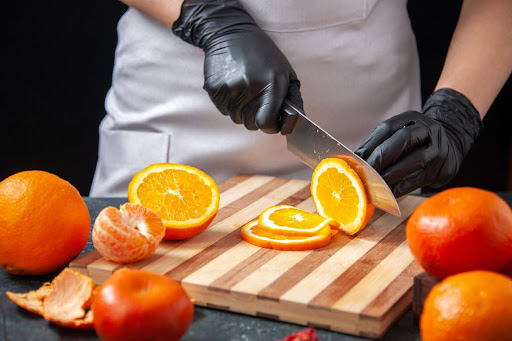
Cross-contamination happens when bacteria from raw foods spread to ready-to-eat items.
Safe Practices
- Use separate cutting boards for raw meats and fresh produce.
- Clean and sanitise utensils immediately after use.
- Store raw foods below cooked foods in the fridge to prevent drips.
Cooking Foods to Safe Temperatures
Cooking destroys harmful pathogens. Always use a calibrated food thermometer to check internal temperatures.
| Food Type | Minimum Internal Temperature |
| Poultry | 75°C |
| Minced meats & sausages | 71°C |
| Whole cuts (beef, lamb, pork) | 63–71°C |
| Seafood | 63°C |
Let food rest before serving and recheck temperatures to confirm safety.
Proper Food Storage and Temperature Control
Refrigeration and Freezing
- Fridge: ≤5°C
- Freezer: ≤–18°C
- Avoid overcrowding to maintain airflow.
- Apply FIFO (First In, First Out) for stock rotation.
The Temperature Danger Zone
Keep food out of 5°C–60°C, where bacteria multiply rapidly. Avoid leaving perishable items at room temperature for more than 2 hours.
Safe Thawing Methods
- In the refrigerator (safest method).
- Under cold running water (sealed packaging).
- In a microwave, followed by immediate cooking.
Common Food Handling Mistakes to Avoid
Washing Raw Poultry
Never wash raw chicken—it spreads bacteria across surfaces. Cooking thoroughly is sufficient to kill pathogens.
Reusing Marinades
If reusing marinades from raw meat, boil first to eliminate bacteria.
Ignoring Expiry Dates
Always check and respect ‘use by’ and expiry dates to avoid foodborne risks.
Food Safety in Workplaces and Commercial Kitchens
Shared environments like offices or restaurants pose unique challenges.
- Clean communal fridges and microwaves weekly.
- Use serving utensils during events to prevent hand contact.
- Keep cold foods below 5°C and hot foods above 60°C.
Australian Food Safety Standards and Training
Australia enforces strict national and state-specific regulations to ensure safe food handling.
Standard 3.2.2: Food Safety Practices and General Requirements
This regulation outlines hygiene, storage, and temperature control obligations for all food businesses.
Mandatory Food Handler Training
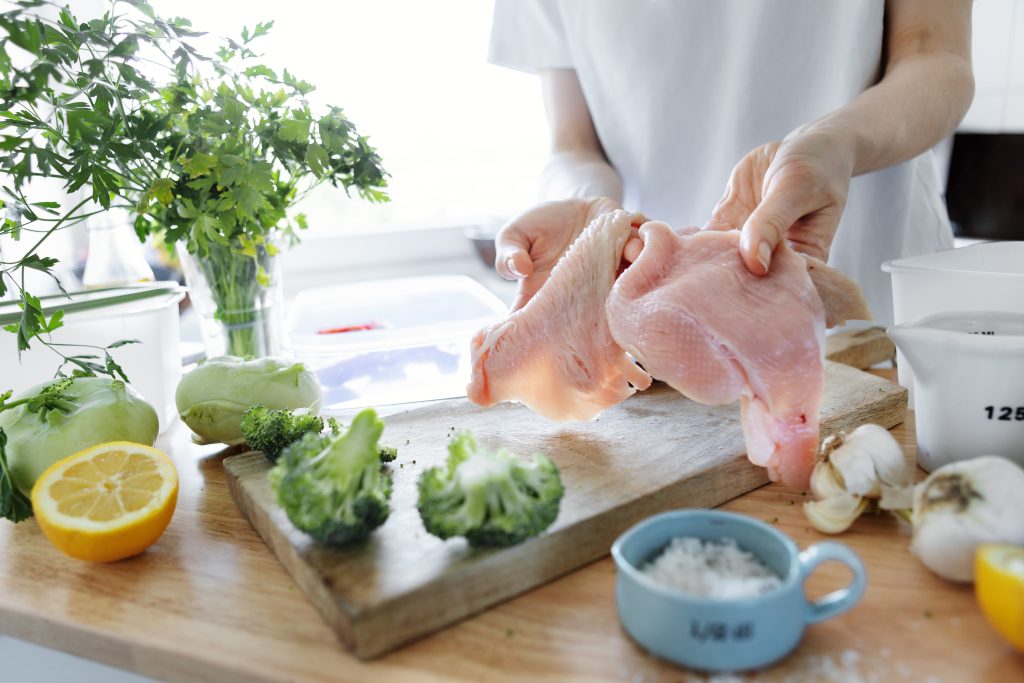
Training helps food handlers understand safe practices and reduce risks.
Conclusion
Food safety is a shared responsibility. By practising proper hygiene, cleaning, separating, cooking, and chilling, we can prevent illness, protect customers, and maintain safe workplaces across Australia.
Frequently Asked Questions (FAQs)
Why shouldn’t I wash raw chicken?
Washing spreads bacteria; proper cooking kills pathogens.
What temperature should my refrigerator be?
Keep it at or below 5°C.
How can I prevent cross-contamination?
Use separate cutting boards and store foods properly.
What’s the temperature danger zone?
Between 5°C and 60°C, where bacteria grow rapidly.
Is food handler training mandatory in Australia?
Yes. It’s required for all staff who handle food in commercial settings.
How long can leftovers stay in the fridge?
Consume within 3–4 days and reheat to 75°C.