Accredited Short Courses

Foodborne Illness Prevention

Can You Get Food Poisoning from Pork Causes Symptoms Safety Tips

Can You Get Food Poisoning from Pork? Causes, Symptoms & Safety Tips

Can You Get Food Poisoning from Pork? Safety Tips for Australians Yes, you can get food poisoning from pork if it’s undercooked or mishandled. Common pathogens include Salmonella, E. coli, Listeria, and Trichinella. Learn how to store, cook, and handle pork safely to protect yourself at home or in the workplace. Why Pork Can Make […]

Can You Get Food Poisoning from Pork? Causes, Symptoms & Safety Tips Read More »
Top Food Sources of Salmonella and How to Avoid Contamination

Top Food Sources of Salmonella and How to Avoid Contamination

What Is Salmonella? Salmonella is a type of bacteria responsible for foodborne illness in both humans and animals. It is one of the leading causes of food poisoning in Australia, frequently linked to raw eggs, poultry, and fresh produce. There are two main types: Typhoidal – causes typhoid fever. Non-typhoidal – causes food-related illness and

Top Food Sources of Salmonella and How to Avoid Contamination Read More »

How to Report Food Poisoning in Australia Step by Step by State

How to Report Food Poisoning in Australia: Step-by-Step by State

Introduction Food poisoning can strike anyone, and when it does, it is not just unpleasant, it can be dangerous. Reporting food poisoning is essential for protecting public health and maintaining high food safety standards across Australia. This guide explains exactly how to report food poisoning in each state and territory, what information you will need,

How to Report Food Poisoning in Australia: Step-by-Step by State Read More »

How Long Does Food Poisoning Last Duration Stages Recovery

How Long Does Food Poisoning Last? Duration, Stages & Recovery

What is Food Poisoning? Food poisoning is a common yet unpleasant illness caused by consuming contaminated food or water. In Australia, it affects approximately 4.1 million people annually, with causes ranging from bacteria such as Salmonella to viruses, parasites, and toxins. While many cases resolve within a few days, some can result in serious complications

How Long Does Food Poisoning Last? Duration, Stages & Recovery Read More »

How to Heal Your Gut After Food Poisoning Naturally and Effectively

How to Heal Your Gut After Food Poisoning Naturally and Effectively

Gut Recovery After Food Poisoning: A Complete Guide for Australians Food poisoning can hit hard—but the effects don’t always stop when the worst is over. While symptoms like vomiting, diarrhoea, and fatigue might ease within a few days, your gut may take weeks to fully recover. If you’re an Australian in your 20s to 50s—especially

How to Heal Your Gut After Food Poisoning Naturally and Effectively Read More »

Food Sickness in Pregnancy Causes Symptoms Safe Food Tips

Food Sickness in Pregnancy: Causes, Symptoms & Safe Food Tips

Introduction Pregnancy is a time of excitement, change, and careful planning—especially around food. During pregnancy, your immune system is naturally weakened, making you more vulnerable to foodborne illnesses. These infections can harm both you and your baby, so understanding the symptoms, causes, and prevention strategies is essential. This guide explains how food poisoning affects pregnant

Food Sickness in Pregnancy: Causes, Symptoms & Safe Food Tips Read More »

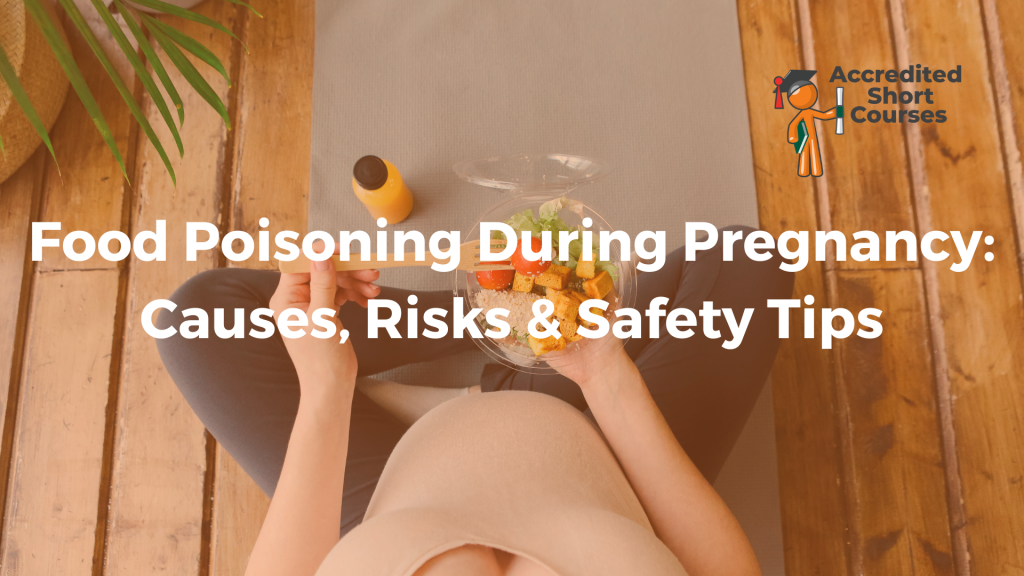
Food Poisoning During Pregnancy Causes Risks Safety Tips

Food Poisoning During Pregnancy: Causes, Risks & Safety Tips

Why Food Safety Is Crucial During Pregnancy Pregnancy is a special time, but it also comes with increased risks—especially when it comes to food safety. In Australia, food poisoning during pregnancy can have serious consequences, including miscarriage, stillbirth, or preterm labour. For women aged 20 to 50, especially first-time mums and working professionals, understanding how

Food Poisoning During Pregnancy: Causes, Risks & Safety Tips Read More »
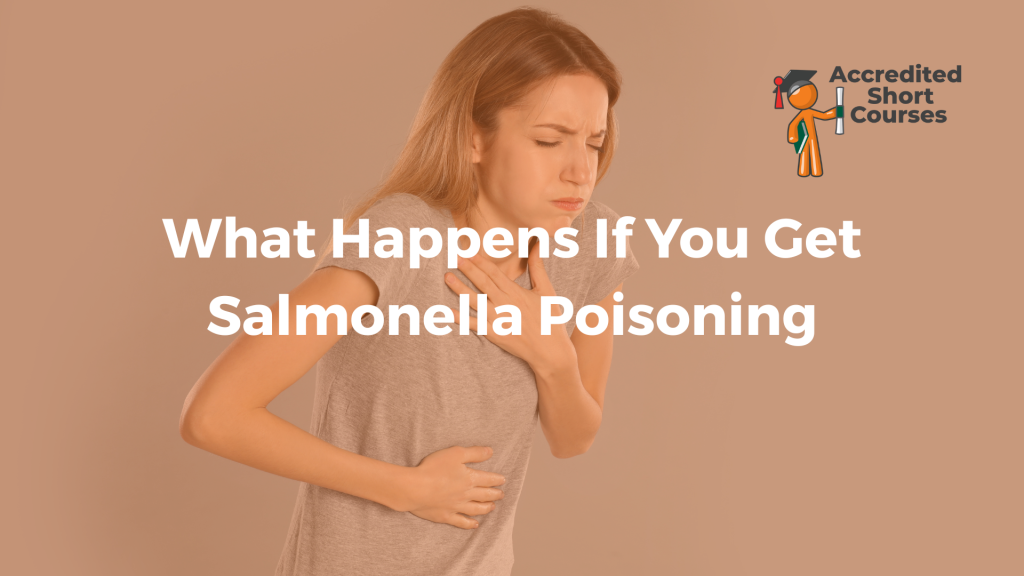
What Happens If You Get Salmonella Poisoning

What Happens If You Get Salmonella Poisoning

What is Salmonella? Salmonella is a type of bacteria that causes foodborne illness, commonly known as salmonella poisoning. In Australia, it is a leading cause of gastrointestinal infections, often linked to contaminated food, poor hygiene, and cross-contamination in high-risk settings such as hospitality, aged care, and childcare. The two main species affecting humans are Salmonella

What Happens If You Get Salmonella Poisoning Read More »

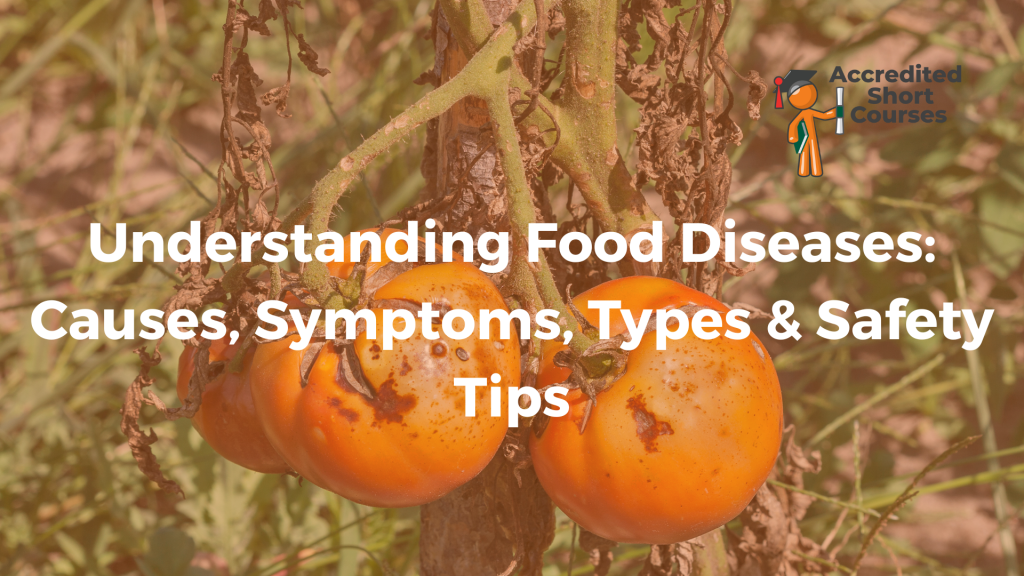
Understanding Food Diseases Causes Symptoms Types Safety Tips

Understanding Food Diseases: Causes, Symptoms, Types & Safety Tips

Understanding Food Diseases: Causes, Symptoms, Types & Safety Tips Key Takeaways: Foodborne illnesses remain a major health concern in Australia, affecting thousands each year. Understanding the causes, symptoms, and types of foodborne diseases helps improve prevention and response. Proper food safety training, hygiene, and temperature control are essential to reduce contamination risks. High-risk foods such

Understanding Food Diseases: Causes, Symptoms, Types & Safety Tips Read More »
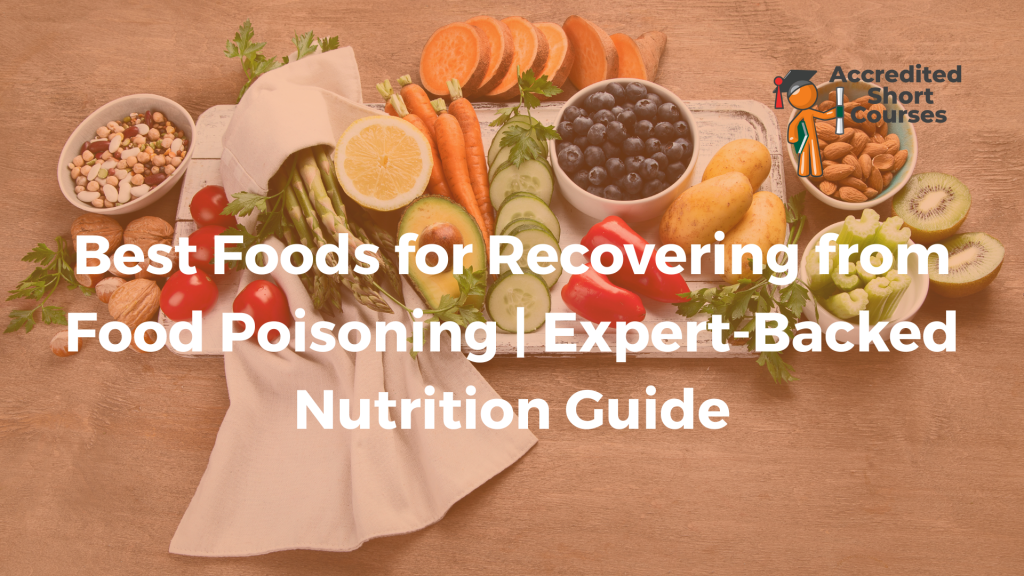
Best Foods for Recovering from Food Poisoning Expert Backed Nutrition Guide

Best Foods for Recovering from Food Poisoning | Expert-Backed Nutrition Guide

Best Foods for Recovering from Food Poisoning | Expert-Backed Nutrition Guide Key Takeaways: What to Eat After Food Poisoning Start with clear fluids such as water, Hydralyte, or clear broth to prevent dehydration. Use the BRAT diet (bananas, rice, applesauce, toast) during early recovery. Reintroduce foods slowly to avoid overwhelming the digestive system. Avoid dairy,

Best Foods for Recovering from Food Poisoning | Expert-Backed Nutrition Guide Read More »

How Proper Food Packaging Prevents Contamination and Ensures Food Safety

How Proper Food Packaging Prevents Contamination and Ensures Food Safety

Why Food Packaging Matters for Safety and Hygiene Food packaging does more than contain and transport food — it’s a crucial barrier against contamination. In Australia, where foodborne illnesses affect thousands annually, proper packaging practices are vital across hospitality, retail, and food production industries. Whether you’re a café worker, supermarket employee, food delivery partner, or

How Proper Food Packaging Prevents Contamination and Ensures Food Safety Read More »

Kinds of Food Contamination Types Examples Prevention Tips

Kinds of Food Contamination: Types, Examples & Prevention Tips

Key Takeaways – Food Contamination Food contamination is a significant risk to health and safety in Australia. The 4 types of contamination are biological, chemical, physical, and cross-contamination. Poor hygiene and incorrect storage are leading causes of contamination. FSANZ enforces strict food safety standards across all Australian states. Food safety training reduces risks and supports

Kinds of Food Contamination: Types, Examples & Prevention Tips Read More »
Understanding Food Transmission Diseases Causes Risks Prevention

Understanding Food Transmission Diseases: Causes, Risks & Prevention

What Are Food Transmission Diseases? Food transmission diseases, also known as foodborne illnesses, occur when harmful microorganisms or substances contaminate food or beverages. In Australia, over 4.1 million cases are reported annually, many of which are preventable. These illnesses can affect anyone but pose the highest risks to: Older adults Young children Pregnant women Immunocompromised

Understanding Food Transmission Diseases: Causes, Risks & Prevention Read More »

Can You Have Food Poisoning Without Vomiting Signs Causes Treatment

Can You Have Food Poisoning Without Vomiting? Signs, Causes & Treatment

Food Poisoning Without Vomiting: Symptoms, Causes & Recovery Key Takeaways Food poisoning without vomiting can cause cramps, diarrhoea, bloating, and fatigue. Common culprits: deli meats, raw seafood, and soft cheeses. Recovery involves hydration, rest, and a bland diet. Seek help for persistent diarrhoea, high fever, or blood in stool. Food handlers must stay off work

Can You Have Food Poisoning Without Vomiting? Signs, Causes & Treatment Read More »

Examples of Potentially Hazardous Foods What They Are and How to Keep Them Safe

Examples of Potentially Hazardous Foods: What They Are and How to Keep Them Safe

What Is a Potentially Hazardous Food? In Australia, potentially hazardous food (PHF) refers to food that requires strict temperature control to prevent the growth of harmful bacteria. These foods typically: Have high moisture content Are rich in protein Have low acidity (pH above 4.6) These characteristics create ideal conditions for bacterial growth. PHFs are strictly regulated

Examples of Potentially Hazardous Foods: What They Are and How to Keep Them Safe Read More »

Understanding Microbial Contamination of Food Causes Risks and How to Prevent It

Understanding Microbial Contamination of Food: Causes, Risks, and How to Prevent It

Understanding Microbial Contamination of Food: Causes, Risks, and How to Prevent It Key Takeaways Microbial contamination is one of the leading causes of foodborne illness in Australia. Common contaminants include bacteria, viruses, parasites, and mould. Contamination can occur during farming, food processing, handling, or storage. Symptoms may include vomiting, diarrhoea, fever, and dehydration. High-risk groups

Understanding Microbial Contamination of Food: Causes, Risks, and How to Prevent It Read More »

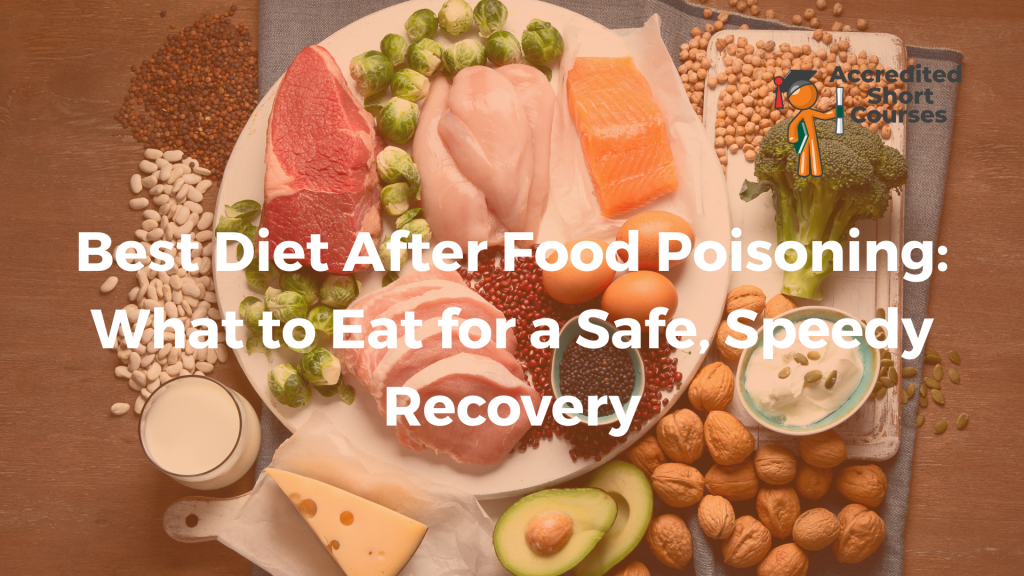
Best Diet After Food Poisoning What to Eat for a Safe Speedy Recovery

Best Diet After Food Poisoning: What to Eat for a Safe, Speedy Recovery

Best Diet After Food Poisoning: What to Eat for a Safe, Speedy Recovery Key Takeaways Recovery from food poisoning requires a phased diet for gentle digestion and faster healing. Begin with hydration—water, oral rehydration salts (ORS), broths, and coconut water—before reintroducing solid foods. Eat bland, low-fat foods like bananas, rice, and toast during early recovery

Best Diet After Food Poisoning: What to Eat for a Safe, Speedy Recovery Read More »

Food Poisoning or Stomach Bug Learn the Differences Symptoms Treatments

Food Poisoning or Stomach Bug? Learn the Differences, Symptoms & Treatments

Introduction Feeling unwell with nausea, diarrhoea and stomach cramps can leave you wondering: is it food poisoning or a stomach bug? While the symptoms often overlap, knowing the key differences helps you recover faster and avoid spreading illness. Whether you’re a first‑time worker, hospitality employee or simply trying to stay well, this guide clarifies everything.

Food Poisoning or Stomach Bug? Learn the Differences, Symptoms & Treatments Read More »

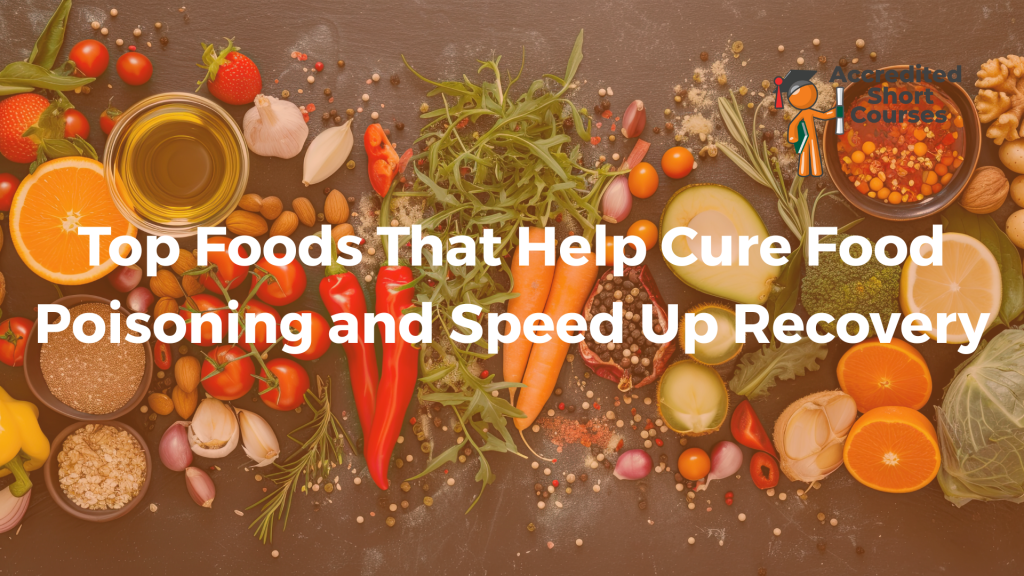
Top Foods That Help Cure Food Poisoning and Speed Up Recovery

Top Foods That Help Cure Food Poisoning and Speed Up Recovery

Feeling Unwell? Food Can Help You Recover Food poisoning can come on suddenly and leave you feeling drained, nauseous, and dehydrated. While rest and fluids are vital, your diet plays a key role in recovery. Knowing what to eat after food poisoning helps soothe your digestive system, ease symptoms, and restore your strength safely. In

Top Foods That Help Cure Food Poisoning and Speed Up Recovery Read More »

What Causes Food Borne Diseases Main Contaminants How to Prevent Them

What Causes Food Borne Diseases: Main Contaminants & How to Prevent Them

Food Borne Diseases in Australia: Causes, Risks & Prevention Key Takeaways Widespread Impact: Food borne diseases affect about 4.1 million Australians each year, with cases ranging from mild gastroenteritis to severe infections like listeriosis. Main Causes: Contamination can occur through bacteria, viruses, parasites, natural toxins, and chemical residues. High-Risk Foods: Raw eggs, deli meats, soft

What Causes Food Borne Diseases: Main Contaminants & How to Prevent Them Read More »

What to Eat After Food Poisoning Safe Foods for Faster Recovery

What to Eat After Food Poisoning: Safe Foods for Faster Recovery

What to Eat After Food Poisoning: Australian Recovery Guide Key Takeaways Start with clear fluids once vomiting stops to restore hydration. Reintroduce bland foods like rice, bananas, toast, and applesauce gradually. Avoid fatty, fried, spicy, or dairy foods early in recovery to prevent irritation. Stay hydrated with oral rehydration solutions, coconut water, or diluted juice.

What to Eat After Food Poisoning: Safe Foods for Faster Recovery Read More »

Contamination of Food by Microorganisms Causes Types Prevention

Contamination of Food by Microorganisms: Causes, Types & Prevention

Introduction Microorganisms are a major contributor to food spoilage and foodborne illness, and their presence in our meals often goes unnoticed until symptoms strike. In Australia, thousands of people suffer each year due to microbial food contamination—an issue that impacts everyone from home cooks to professional food handlers. Understanding how food becomes contaminated, the risks

Contamination of Food by Microorganisms: Causes, Types & Prevention Read More »

Gastroenteritis vs Food Poisoning Symptoms Causes and What to Do

Gastroenteritis vs Food Poisoning: Symptoms, Causes, and What to Do

Introduction When stomach trouble strikes — vomiting, diarrhoea, cramps — it’s easy to assume it’s either gastro or food poisoning. But knowing which one you’re dealing with matters. In this Australian-focused guide, we break down the key differences between gastroenteritis and food poisoning, including causes, symptoms, treatment, and how to recover safely and quickly. Whether

Gastroenteritis vs Food Poisoning: Symptoms, Causes, and What to Do Read More »

Chicken Poisoning Causes Symptoms and Prevention in Australia

Chicken Poisoning: Causes, Symptoms, and Prevention in Australia

Introduction Chicken poisoning is a type of foodborne illness that results from consuming contaminated or undercooked chicken. In Australia, the most common culprits are Salmonella and Campylobacter, bacteria that thrive in raw poultry and can survive poor cooking practices or spread through improper food handling. Despite its frequency, chicken poisoning is largely preventable. According to

Chicken Poisoning: Causes, Symptoms, and Prevention in Australia Read More »

Food Illness from Pork What You Need to Know

Food Illness from Pork: What You Need to Know

Pork Food Safety: How to Prevent Foodborne Illness in Australia Key Takeaways Undercooked or mishandled pork can cause serious illnesses like trichinosis and salmonella. Salmonella, Listeria, and Yersinia are the most common pork-related infections in Australia. Always cook pork to safe internal temperatures: mince 71°C, whole cuts 63°C, offal 75°C. Refrigerate below 5°C and freeze

Food Illness from Pork: What You Need to Know Read More »

When to Go to the Hospital for Food Poisoning Signs Symptoms Urgent Care

When to Go to the Hospital for Food Poisoning: Signs, Symptoms & Urgent Care

Introduction Food poisoning can be an unpleasant and sometimes dangerous experience. For many Australians, it is unclear when symptoms are manageable at home and when they signal something more serious. This guide will help you identify the red flags, know when to seek medical help, and understand what to expect at the hospital or from

When to Go to the Hospital for Food Poisoning: Signs, Symptoms & Urgent Care Read More »

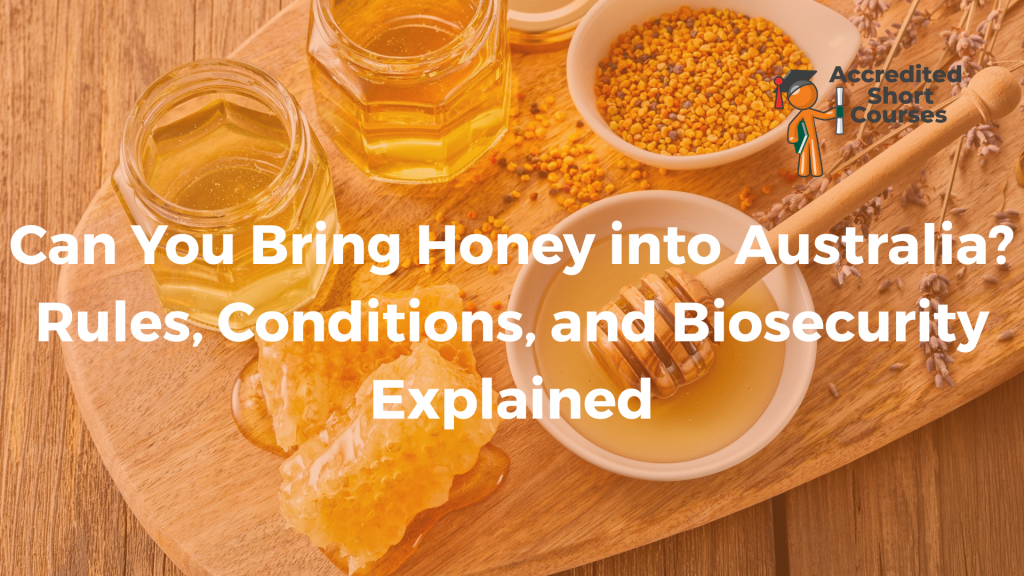
Can You Bring Honey into Australia Rules Conditions and Biosecurity Explained

Can You Bring Honey into Australia? Rules, Conditions, and Biosecurity Explained

Can You Bring Honey into Australia? Rules, Conditions, and Biosecurity Explained Key Takeaways You can bring honey into Australia if it’s sealed, labelled in English, and declared. Raw, homemade, honeycomb, or flavoured honey is banned. Personal use allowance: usually under 2kg per traveller. Mailing honey? It must be commercially packaged, labelled, and pass DAFF inspection.

Can You Bring Honey into Australia? Rules, Conditions, and Biosecurity Explained Read More »

Can You Drink Milk After Food Poisoning Nutrition Tips for Recovery

Can You Drink Milk After Food Poisoning? Nutrition Tips for Recovery

Introduction Recovering from food poisoning can be exhausting—especially when you’re unsure what your body can handle. One common question many Australians ask is, “Can I drink milk after food poisoning?” The answer isn’t always straightforward. Whether you’re a working adult returning to your routine or someone easing back into eating after illness, this article provides

Can You Drink Milk After Food Poisoning? Nutrition Tips for Recovery Read More »

Gastroenteritis from Food Poisoning Causes Symptoms Treatment

Gastroenteritis from Food Poisoning: Causes, Symptoms & Treatment

Introduction Gastroenteritis, commonly referred to as “gastro” or the “stomach flu”, is an inflammation of the stomach and intestines. While viruses, bacteria, and parasites can all cause this condition, one of the most common sources in Australia is food poisoning, a reaction to eating contaminated food. Understanding how foodborne pathogens trigger gastro symptoms is essential

Gastroenteritis from Food Poisoning: Causes, Symptoms & Treatment Read More »

Australia Food Poisoning Causes Symptoms Prevention

Australia Food Poisoning: Causes, Symptoms & Prevention

Introduction Food poisoning, also known as foodborne illness, occurs when contaminated food or drinks are consumed. It typically results from harmful bacteria, viruses, parasites, or toxins entering the body due to improper food handling, storage, or preparation. While the terms food poisoning and foodborne illness are often used interchangeably, food poisoning usually refers to acute,

Australia Food Poisoning: Causes, Symptoms & Prevention Read More »

Is It Safe to Eat Undercooked Pork Chops

Is It Safe to Eat Undercooked Pork Chops?

Introduction Eating undercooked pork chops may seem harmless at first glance—especially if they look slightly pink or juicy—but in reality, consuming undercooked pork carries serious health risks. From trichinosis to salmonella, pork that hasn’t reached the right internal temperature can lead to foodborne illnesses, some of which have long-lasting effects. In this comprehensive guide, we’ll

Is It Safe to Eat Undercooked Pork Chops? Read More »

Tablets for Food Poisoning Types Dosages and Recovery Advice

Tablets for Food Poisoning: Types, Dosages, and Recovery Advice

Tablets for Food Poisoning: Types, Dosages, and Recovery Advice Key Takeaways: Best Tablets for Food Poisoning Tablets may relieve symptoms, but they do not cure the underlying infection. Hydration is the first and most important treatment. Loperamide (Imodium) can reduce diarrhoea — but avoid it if there is fever or blood in the stool. Ondansetron

Tablets for Food Poisoning: Types, Dosages, and Recovery Advice Read More »

Can You Have Food Poisoning Without Vomiting Signs Symptoms Recovery

Can You Have Food Poisoning Without Vomiting? Signs, Symptoms & Recovery

Can You Have Food Poisoning Without Vomiting? Signs, Symptoms & Recovery Key Takeaways Experiencing food poisoning without vomiting is more common than many Australians realise. Watch for fatigue, stomach cramps, diarrhoea, bloating, headaches, or chills even if you don’t vomit. Recognising these signs early can help prevent complications and aid faster recovery. Rest, stay hydrated,

Can You Have Food Poisoning Without Vomiting? Signs, Symptoms & Recovery Read More »

What Causes Foodborne Diseases A Complete Guide to Foodborne Illness Sources

What Causes Foodborne Diseases? A Complete Guide to Foodborne Illness Sources

Introduction Food borne illness, commonly referred to as food poisoning, is a significant public health concern in Australia. It affects thousands of Australians annually, ranging from mild stomach discomfort to severe health complications and even death in rare cases. Understanding the causes, symptoms, and preventative measures is crucial for everyone—especially for those working in hospitality,

What Causes Foodborne Diseases? A Complete Guide to Foodborne Illness Sources Read More »

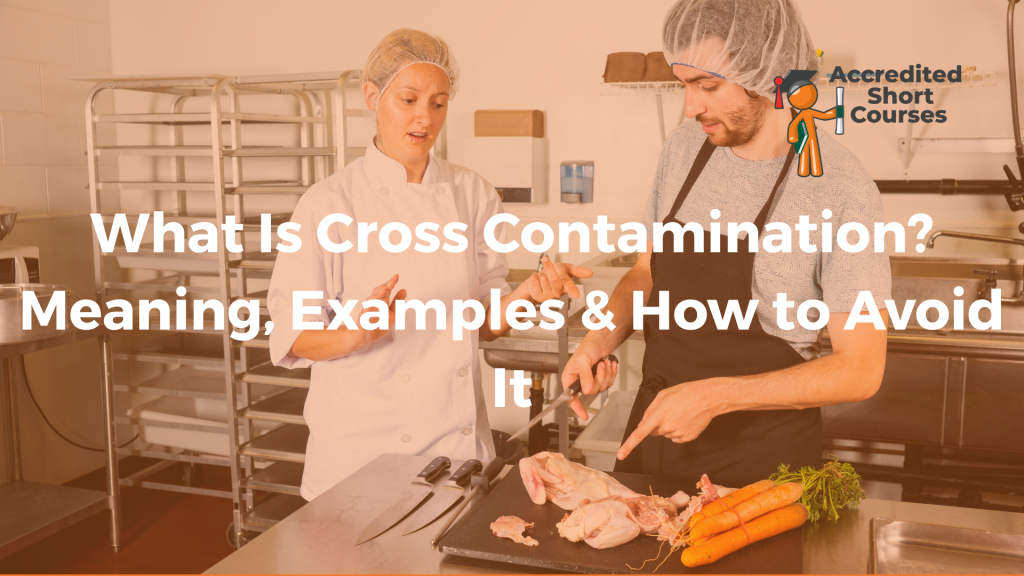
What Is Cross Contamination Meaning Examples How to Avoid It

What Is Cross Contamination? Meaning, Examples & How to Avoid It

Introduction Cross contamination is one of the most common yet dangerous hazards in both home kitchens and commercial food environments. From spreading bacteria between raw and cooked foods to triggering life-threatening allergic reactions, this invisible threat can have serious health and legal consequences. In this guide, you will learn the meaning of cross contamination, its

What Is Cross Contamination? Meaning, Examples & How to Avoid It Read More »

What Is Foodborne Understanding Causes Examples and Prevention

What Is Foodborne? Understanding Causes, Examples, and Prevention

Introduction The term “foodborne” refers to diseases, illnesses, or conditions caused by consuming contaminated food or beverages. According to Merriam-Webster, “foodborne” means “caused by or transmitted through contaminated food”. Organisations such as the World Health Organization (WHO) and the Centers for Disease Control and Prevention (CDC) frequently use the term in public health communication. The

What Is Foodborne? Understanding Causes, Examples, and Prevention Read More »

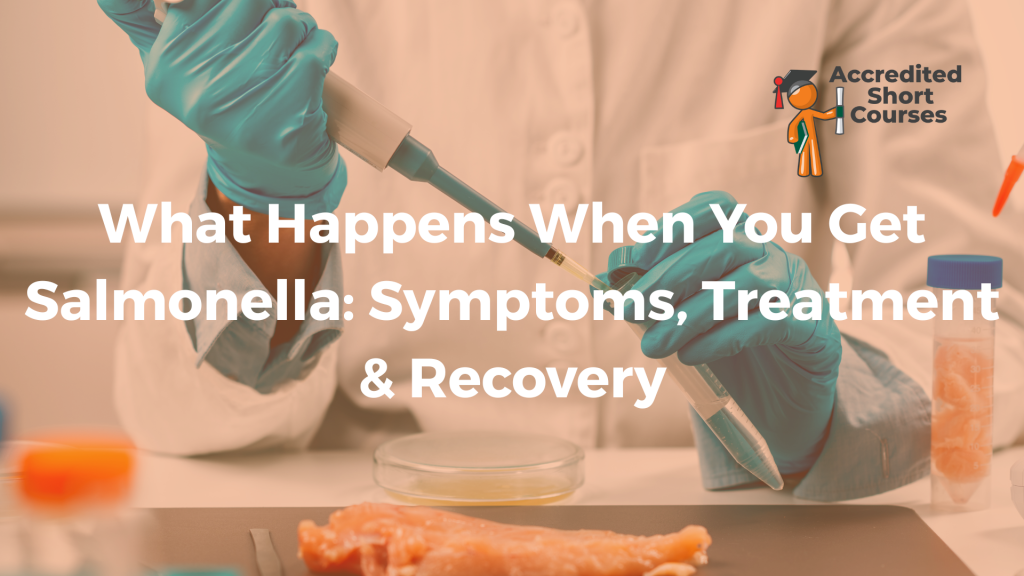
What Happens When You Get Salmonella Symptoms Treatment Recovery

What Happens When You Get Salmonella: Symptoms, Treatment & Recovery

What Happens When You Get Salmonella: Symptoms, Treatment & Recovery Introduction Salmonella is one of the most common causes of foodborne illness in Australia. Each year, thousands of Australians fall ill due to this bacterial infection, which can cause anything from mild gastro symptoms to severe complications requiring hospitalisation. In this comprehensive guide, you will

What Happens When You Get Salmonella: Symptoms, Treatment & Recovery Read More »

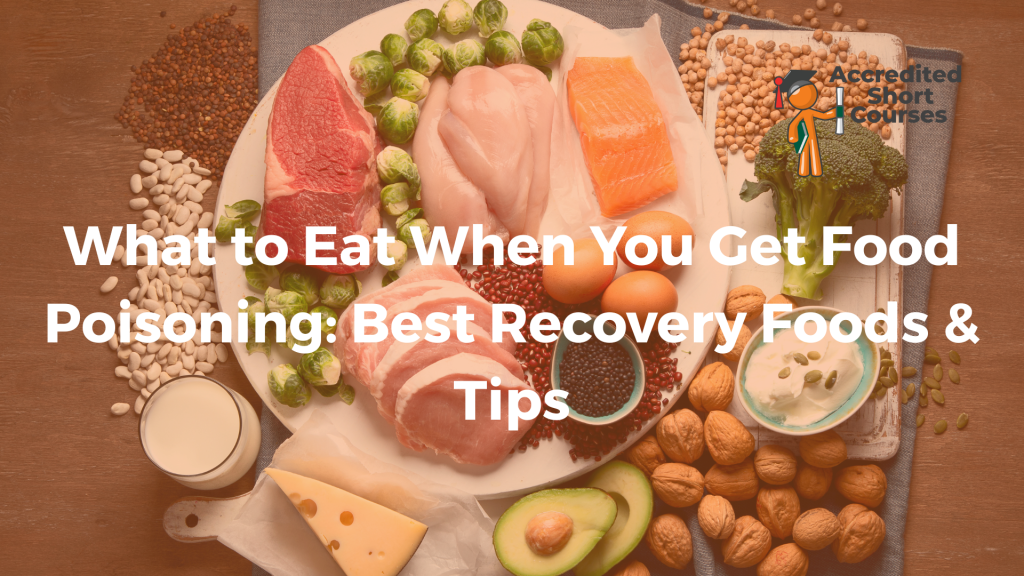
What to Eat When You Get Food Poisoning Best Recovery Foods Tips

What to Eat When You Get Food Poisoning: Best Recovery Foods & Tips

Introduction Food poisoning can hit fast and hard, leaving you feeling drained and unsure about what to eat next. Whether it’s from a dodgy takeaway, undercooked meat, or poorly stored leftovers, your food choices in recovery play a vital role in how quickly you bounce back. This comprehensive guide combines medically backed insights to help

What to Eat When You Get Food Poisoning: Best Recovery Foods & Tips Read More »
Abdominal Cramping from Food Poisoning Causes Signs and Treatment

Abdominal Cramping from Food Poisoning: Causes, Signs, and Treatment

Introduction Abdominal cramping is one of the most common and painful symptoms of food poisoning. Whether caused by bacteria, viruses, or toxins, foodborne illnesses can trigger intense gastrointestinal distress, including stomach cramps that may come on suddenly and linger for days. This comprehensive guide explains how food poisoning leads to abdominal cramps, what symptoms to

Abdominal Cramping from Food Poisoning: Causes, Signs, and Treatment Read More »

Examples of Foodborne Illnesses Common Pathogens Foods Prevention

Examples of Foodborne Illnesses: Common Pathogens, Foods & Prevention

Introduction Foodborne illnesses—commonly referred to as food poisoning—are infections or intoxications caused by consuming contaminated food or drink. According to the World Health Organization (WHO) and the NSW Food Authority, foodborne illnesses can be caused by bacteria, viruses, parasites, or chemical substances entering the body via contaminated food. The outcomes range from mild stomach upset

Examples of Foodborne Illnesses: Common Pathogens, Foods & Prevention Read More »

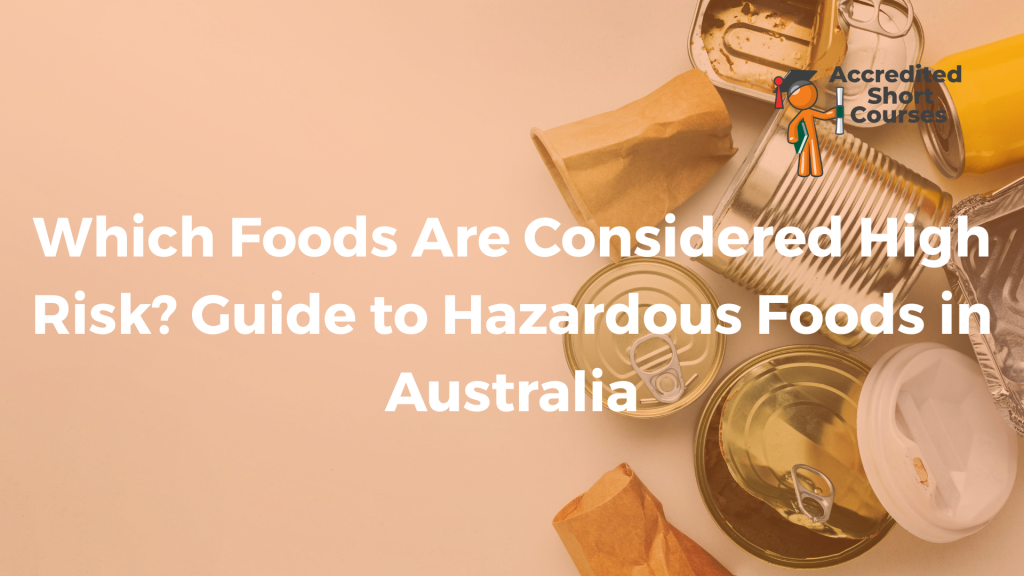
Which Foods Are Considered High Risk Guide to Hazardous Foods in Australia

Which Foods Are Considered High Risk? Guide to Hazardous Foods in Australia

High-Risk Foods in Australia: Guide to Safe Handling and Storage Key Takeaways High-risk foods are moist, protein-rich, low in acidity, and require strict temperature control. Examples include dairy products, cooked meats, seafood, rice, pasta, eggs, and prepared salads. The “danger zone” for food safety is between 5°C and 60°C. Mishandling can cause foodborne illnesses such

Which Foods Are Considered High Risk? Guide to Hazardous Foods in Australia Read More »

What Salmonella Poisoning Feels Like Symptoms Recovery Explained

What Salmonella Poisoning Feels Like: Symptoms & Recovery Explained

What Salmonella Poisoning Feels Like: Symptoms & Recovery Explained Key Takeaways Symptoms appear 6–72 hours after eating contaminated food. Early signs include nausea, bloating, mild fever, and fatigue. Main symptoms: stomach cramps, diarrhoea, vomiting, fever, and weakness. Recovery time is typically 4–7 days, though fatigue may last longer. Seek medical help if symptoms include blood

What Salmonella Poisoning Feels Like: Symptoms & Recovery Explained Read More »

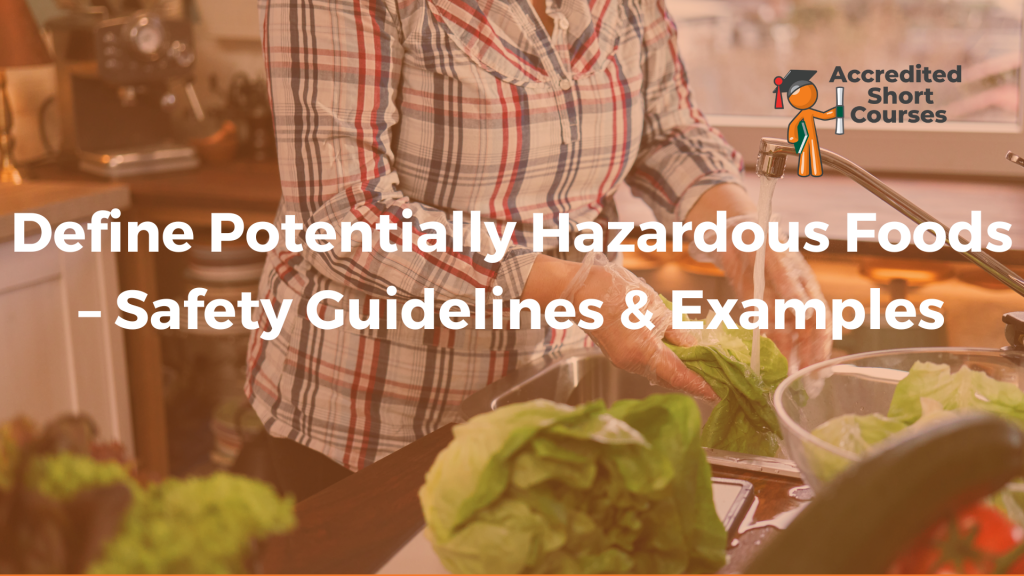
Define Potentially Hazardous Foods – Safety Guidelines Examples

Define Potentially Hazardous Foods – Safety Guidelines & Examples

Define Potentially Hazardous Foods – Safety Guidelines & Examples Key Takeaways Potentially hazardous foods (PHFs) support rapid bacterial growth if not temperature controlled. The temperature danger zone is between 5°C and 60°C. Common PHFs include meat, poultry, dairy, cooked rice and pasta, cut fruit, and prepared salads. The 2-hour/4-hour rule determines whether to refrigerate, use,

Define Potentially Hazardous Foods – Safety Guidelines & Examples Read More »

What Are Potentially Hazardous Foods Food Safety Explained

What Are Potentially Hazardous Foods? Food Safety Explained

Definition of Potentially Hazardous Foods Potentially hazardous foods (PHFs) are foods that must be kept at specific temperatures to prevent the growth of harmful bacteria that can cause foodborne illness. According to Food Authority NSW and Health Victoria, PHFs are those that require temperature control because they have characteristics—such as high moisture, low acidity, and

What Are Potentially Hazardous Foods? Food Safety Explained Read More »
Types of Food Contaminants Biological Chemical Physical Risks

Types of Food Contaminants: Biological, Chemical & Physical Risks

Food Contamination in Australia: Types, Risks, and Prevention Key Takeaways Food contamination threatens public health and business compliance in Australia. The three main types: biological, chemical, and physical contaminants. Biological risks include salmonella, E. coli, listeria, and norovirus. Chemical hazards come from pesticides, cleaning agents, and food additives. Physical contaminants include hair, glass, plastic, and

Types of Food Contaminants: Biological, Chemical & Physical Risks Read More »
Food Poisoning Treatment Remedies Recovery Medical Advice

Food Poisoning Treatment: Remedies, Recovery & Medical Advice

Food Poisoning Treatment: Remedies, Recovery & Medical Advice Key Takeaways Food poisoning symptoms usually resolve within 1–3 days with rest and fluids. Hydration is the most important treatment—oral rehydration solutions work best. Avoid self-medicating unless prescribed by a doctor. Watch for red flag symptoms like blood in stool, prolonged diarrhoea, or high fever. Seek medical

Food Poisoning Treatment: Remedies, Recovery & Medical Advice Read More »

Noro Symptoms Understanding Recognizing and Managing Norovirus

Noro Symptoms: Understanding, Recognizing, and Managing Norovirus

Introduction Norovirus, often called the “stomach bug,” is a leading cause of gastroenteritis across Australia. Its symptoms strike fast and hard, disrupting daily life and spreading rapidly through homes, workplaces, and community settings. This guide helps you understand what norovirus is, how to spot the signs, manage symptoms, and prevent its spread. What is Norovirus

Noro Symptoms: Understanding, Recognizing, and Managing Norovirus Read More »
Norovirus Symptoms and How to Manage Them Effectively

Norovirus Symptoms and How to Manage Them Effectively

Introduction Norovirus is one of the leading causes of viral gastroenteritis in Australia. Known for its rapid transmission and sudden onset, it affects individuals of all ages, particularly in shared environments such as homes, workplaces, childcare centres and healthcare settings. This guide will help you recognise, manage and prevent norovirus effectively. What is Norovirus? Norovirus

Norovirus Symptoms and How to Manage Them Effectively Read More »
Food Sickness Symptoms Signs Severity and When to Seek Help

Food Sickness Symptoms: Signs, Severity, and When to Seek Help

Food Sickness: Causes, Symptoms & Prevention Key Takeaways Food sickness (food poisoning) occurs when you eat contaminated food containing bacteria, viruses, or toxins. Common food poisoning symptoms include nausea, vomiting, diarrhoea, stomach cramps, fever, and dehydration. Severe cases may require urgent medical attention, especially if symptoms include blood in stools or high fever. Recovery focuses

Food Sickness Symptoms: Signs, Severity, and When to Seek Help Read More »
Foodborne Illness Causes Symptoms Prevention Strategies

Foodborne Illness: Causes, Symptoms & Prevention Strategies

Foodborne Illness (Food Poisoning) in Australia: Causes, Symptoms & Prevention Strategies Key Takeaways Practise safe food handling to prevent food poisoning. Recognise symptoms early to get timely medical help. Separate raw and cooked food to prevent cross-contamination. Follow Australian food safety standards at home and work. Report suspected outbreaks to health authorities. Use trusted sources

Foodborne Illness: Causes, Symptoms & Prevention Strategies Read More »
Food Poisoning Medication Effective Treatments and Remedies in Australia

Food Poisoning Medication: Effective Treatments and Remedies in Australia

Food Poisoning Medication: Effective Treatments and Remedies in Australia Key Takeaways Mild food poisoning is usually managed at home with rest, fluids and appropriate OTC medicines. Use anti-diarrhoeals (e.g. loperamide/Gastro-Stop) only when diarrhoea is non-bloody and there is no fever. Oral rehydration solutions (Hydralyte, Gastrolyte) prevent and treat dehydration for all ages. Paracetamol (Panadol) treats

Food Poisoning Medication: Effective Treatments and Remedies in Australia Read More »
Understanding Borne Illness Causes Symptoms Prevention Safety in Australia

Understanding Borne Illness: Causes, Symptoms, Prevention & Safety in Australia

What Is Borne Illness? Definition and Terminology “Borne illness” refers to diseases transmitted through various carriers, such as food, water, air, or vectors (like insects). Among these, foodborne illness is the most common in Australia and is the primary focus of this guide. It results from consuming contaminated food and is a significant public health

Understanding Borne Illness: Causes, Symptoms, Prevention & Safety in Australia Read More »
A Complete Guide to Causes Symptoms and Prevention of Foodborne Illness

A Complete Guide to Causes, Symptoms, and Prevention of Foodborne Illness

Introduction Foodborne illnesses remain a major public health concern in Australia and globally. These illnesses, often referred to as “food poisoning,” are caused by consuming contaminated food or beverages. Understanding what causes them, recognising symptoms early, and knowing how to prevent them are critical — especially for individuals working in food handling environments. What Is

A Complete Guide to Causes, Symptoms, and Prevention of Foodborne Illness Read More »
Essential Safe Food Handling Practices to Prevent Foodborne Illnesses

Essential Safe Food Handling Practices to Prevent Foodborne Illnesses

Essential Safe Food Handling Practices to Prevent Foodborne Illnesses Key Takeaways Safe food handling prevents 4.1 million foodborne illnesses in Australia each year. Always wash hands for 20 seconds before handling or preparing food. Cook poultry to at least 75°C and reheat leftovers to the same temperature. Never wash raw chicken—it spreads bacteria around the

Essential Safe Food Handling Practices to Prevent Foodborne Illnesses Read More »
Select a State/Region

Please select one of the below options to continue.

> RSA Online Australia

> RSA Online VIC

> RSA Online NSW

> RSA Online QLD

> RSA Online WA

> RSA Online SA

> RSA Online NT

> RSA Online ACT

> RSA Online TAS

Select a State/Region

Please select one of the below options to continue.

> RSA Online Australia

> RSA Online VIC

> RSA Online NSW

> RSA Online QLD

> RSA Online WA

> RSA Online SA

> RSA Online NT

> RSA Online ACT

> RSA Online TAS

Select a State/Region

Please select one of the below options to continue.

> RSA Online Australia

> RSA Online VIC

> RSA Online NSW

> RSA Online QLD

> RSA Online WA

> RSA Online SA

> RSA Online NT

> RSA Online ACT

> RSA Online TAS

Select a State/Region

Please select one of the below options to continue.

> RSA Online Australia

> RSA Online VIC

> RSA Online NSW

> RSA Online QLD

> RSA Online WA

> RSA Online SA

> RSA Online NT

> RSA Online ACT

> RSA Online TAS