
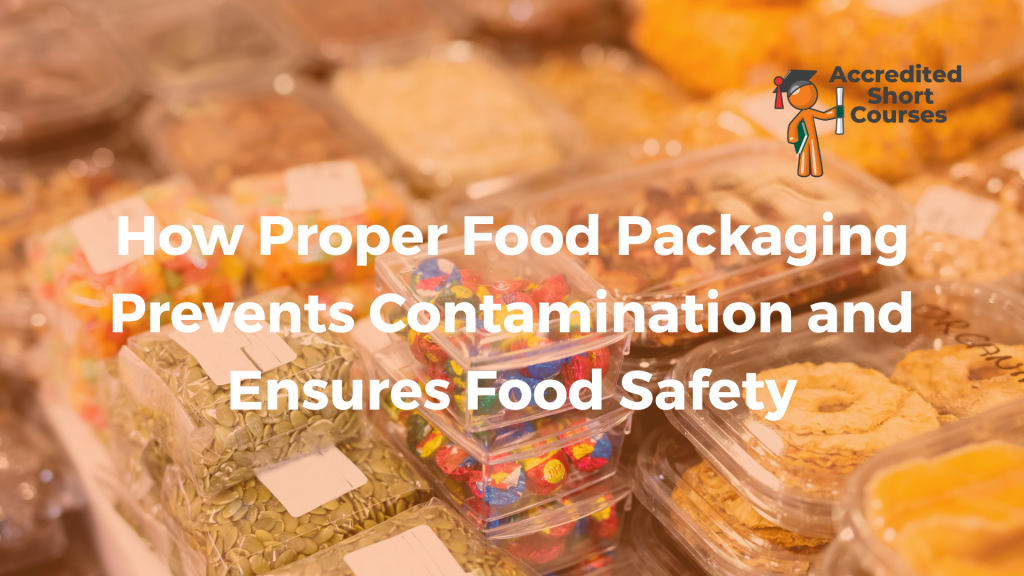
Why Food Packaging Matters for Safety and Hygiene
Food packaging does more than contain and transport food — it’s a crucial barrier against contamination. In Australia, where foodborne illnesses affect thousands annually, proper packaging practices are vital across hospitality, retail, and food production industries.

Whether you’re a café worker, supermarket employee, food delivery partner, or just entering the workforce, understanding how packaging prevents contamination helps protect public health, ensures compliance with legal standards, and supports your workplace’s food safety protocols.
Understanding Food Contamination and Its Impact
Food contamination refers to the unintended presence of harmful substances in food. This can result in serious outcomes such as foodborne illness, allergic reactions, business liability, product recalls, or reputational harm.
The Three Main Types of Food Contamination
- Biological contamination: Caused by bacteria (e.g., Salmonella, Listeria), viruses, moulds, and parasites. Packaging limits microbial exposure through sterile sealing.
- Chemical contamination: Arises from pesticides, cleaning products, or packaging leachates. Using food-safe, regulated materials prevents this.
- Physical contamination: Includes glass shards, metal, or plastic pieces. Strong outer packaging layers guard against these intrusions.
Where Contamination Happens in the Food Supply Chain
From paddock to plate, risks of contamination arise at various points:
| Food Chain Stage | Contamination Risk | Packaging Role |
| Processing | Contact with contaminated surfaces or hands | Ensures sealed, sterile distribution |
| Storage | Exposure to pests or incorrect temperatures | Prevents spoilage and cross-contamination |
| Transport | Damaged packaging or raw/cooked food mixing | Maintains separation and integrity |
| Retail/Display | Handling by staff or customers | Reduces direct food contact |
How Packaging Supports Food Safety
Packaging serves both protective and informative roles. It reduces contamination risks through design, materials, and hygienic barriers.
Barrier Protection
Advanced packaging technology can:
- Block bacteria, moisture, and dust
- Maintain sterility post-production
- Prevent physical contact from handlers
Example: Shrink-wrapped meat trays in supermarkets stop leakage, protect against trolley contamination, and extend freshness.
Packaging and Shelf Life Extension
Food spoilage is slowed by:
- Oxygen reduction
- Humidity control
- Microbial growth suppression
Modified Atmosphere Packaging (MAP) replaces oxygen with nitrogen or carbon dioxide — ideal for bagged salads, deli meats, or seafood.
Preventing Allergen Cross-Contact
Allergen-safe packaging includes:
- Dedicated sealed containers
- Individual packs
- Clear allergen labelling
This is critical for allergy sufferers and required under Australian food labelling laws.
Types of Food Packaging That Prevent Contamination
Australian food businesses use packaging tailored for both safety and function.

Vacuum and Modified Atmosphere Packaging (MAP)
- Vacuum packaging removes oxygen to slow spoilage
- MAP preserves freshness using gas mixtures
Common in retail meat, poultry, and dairy sectors.
Tamper-Evident Packaging
Tamper-proof designs alert consumers if packaging has been opened.
Examples:
- Takeaway containers with adhesive safety seals
- Drink bottles with breakable safety caps
Disposable and Single-Use Packaging
Popular in takeaway and delivery, these reduce handling and reuse-related residue.
Tip: While eco-friendly alternatives (like biodegradable containers) are on the rise, they must still meet food safety requirements.
Food Packaging Regulations in Australia
Food Standards Australia New Zealand (FSANZ) oversees packaging compliance under the Food Standards Code.
Key FSANZ Requirements
- Standard 3.2.2: Packaging must not contaminate food.
- Standard 3.2.3: Sets premises and equipment conditions for safe storage and handling.
Labelling and Safe Materials
Legally compliant packaging must include:
- Use-by and best-before dates
- Ingredient and allergen information
- Safe materials free from toxic inks or adhesives
Safe Handling of Packaged Food in the Workplace
Even with high-quality packaging, poor hygiene can still result in contamination.

Hygiene Best Practices for Food Workers
- Wash hands before touching packaging
- Use gloves when handling food items
- Avoid touching inner surfaces or lids
- Replace damaged packaging immediately
Storage and Transport Tips
- Store raw and ready-to-eat foods separately
- Maintain cold chain using fridges or insulated bags
- Avoid stacking heavy items on delicate packaging
Real-Life Industry Applications
Takeaway and Food Delivery
Brands like Uber Eats and Deliveroo partners use:
- Tamper-evident seals
- Insulated transport bags
- Single-use packaging for hygiene
Retail and Supermarket Practices
Australian retailers such as Coles and Woolworths implement:
- Leak-proof meat trays
- Clear expiry/allergen labels
- Dedicated sections for raw and cooked products
Innovations Enhancing Food Packaging Safety
Antimicrobial Packaging
Incorporates silver ions or natural extracts (like oregano oil) to reduce microbial activity and extend shelf life.
Smart Labels and Sensors
Emerging tech includes:
- Time-temperature indicators: Reveal if cold chain was broken
- Gas sensors: Detect spoilage-related emissions
These innovations improve consumer transparency and product safety.
Frequently Asked Questions (FAQ)
What is the main role of packaging in food safety?
To act as a barrier against contaminants like bacteria, chemicals, and foreign objects.
How does vacuum packaging preserve food?
By removing oxygen, it slows bacterial growth and prolongs shelf life.
Can incorrect packaging cause contamination?
Yes — poor quality or damaged packaging can introduce bacteria, allow moisture in, or lead to allergen exposure.
What types of contamination does packaging help prevent?
Biological, chemical, and physical contamination.
Are there legal requirements for packaging in Australia?
Yes — FSANZ mandates strict packaging standards, including hygiene, labelling, and material safety.
How does packaging control allergens?
By sealing foods separately and clearly identifying allergens on labels.
Why is tamper-evident packaging important?
It protects product integrity and reassures consumers the food hasn’t been compromised.
What materials are food-safe under FSANZ?
BPA-free plastics, food-grade papers, stainless steel, and compliant adhesives and inks.
How can staff handle packaging hygienically?
Through training, using gloves, and avoiding inner surface contact.
What packaging innovations improve safety today?
Smart sensors, antimicrobial films, and eco-safe but hygienic materials.
Final Thoughts
Food packaging is far more than a marketing tool — it’s a key defence in food safety. Whether you work in a café, supermarket, or commercial kitchen, using the right packaging and handling practices helps prevent contamination, comply with Australian food safety laws, and protect public health.


