Accredited Short Courses

Food Safety Practices

Is Cooked Pasta a High Risk Food Safety Risks Storage Food Handling Tips

Is Cooked Pasta a High-Risk Food? Safety Risks, Storage & Food Handling Tips

Introduction Cooked pasta might seem like a harmless kitchen staple, but under Australian food safety regulations, it’s actually classified as a high-risk food. Once cooked, pasta becomes highly susceptible to bacterial growth, especially when it’s not stored, cooled, or reheated properly. This makes it a surprisingly common source of foodborne illness in homes and commercial […]

Is Cooked Pasta a High-Risk Food? Safety Risks, Storage & Food Handling Tips Read More »

Delicious Healthy Food Tasty Meals Smart Nutrition Tips

Delicious Healthy Food: Tasty Meals & Smart Nutrition Tips

Introduction Eating well doesn’t mean giving up on flavour. Delicious healthy food is all about striking the right balance between nutrition and taste. For Australians in their 20s to 50s—especially busy employees and first-time workers—it’s essential to find meals that are quick, nutritious, affordable, and full of life. This guide covers everything from quick meals

Delicious Healthy Food: Tasty Meals & Smart Nutrition Tips Read More »
Dietary Requirement List Types Examples Food Guidelines

Dietary Requirement List: Types, Examples & Food Guidelines

Key Takeaways Dietary needs can stem from medical, ethical, cultural, or personal reasons. Food allergies and intolerances differ in cause, onset, and severity. Workplace and event organisers should collect dietary information using clear templates. Proper labelling and cross-contamination prevention ensure safety and inclusivity. Aligning menus with Australian Dietary Guidelines supports balanced nutrition. Respecting religious and

Dietary Requirement List: Types, Examples & Food Guidelines Read More »

2 and 4 Hour Rule Explained Keep Food Safe in Australia

2 and 4 Hour Rule Explained: Keep Food Safe in Australia

2 and 4 Hour Rule Explained The 2 and 4 hour rule is a crucial part of Australian food safety standards, guiding how long high-risk foods can remain in the temperature danger zone (5°C–60°C) without compromising public health. Whether you’re in hospitality, retail, healthcare, or childcare, understanding this rule can help prevent foodborne illnesses and

2 and 4 Hour Rule Explained: Keep Food Safe in Australia Read More »

Understanding the 7 Principles of HACCP A Complete Breakdown

Understanding the 7 Principles of HACCP: A Complete Breakdown

Understanding the 7 Principles of HACCP: A Complete Breakdown Key Takeaways on HACCP Principles in Australia HACCP is a preventive food safety system that eliminates hazards before they occur. In Australia, HACCP supports compliance with the Food Standards Code (3.2.1 & 3.2.2). The 7 HACCP principles include hazard analysis, critical control points (CCPs), critical limits,

Understanding the 7 Principles of HACCP: A Complete Breakdown Read More »

2hr 4hr Rule Explained Time and Temperature Guide for Food Safety

2hr 4hr Rule Explained: Time and Temperature Guide for Food Safety

2hr 4hr Rule in Food Safety Australia: Guidelines for Safe Food Handling Key Takeaways The 2hr 4hr rule helps determine how long food can safely stay in the Temperature Danger Zone (5°C–60°C). <2 hours: refrigerate or use immediately. 2–4 hours: consume immediately, do not return to the fridge. >4 hours: discard immediately. Bacteria like Salmonella,

2hr 4hr Rule Explained: Time and Temperature Guide for Food Safety Read More »

Food and Safety Laws in Australia Regulations Responsibilities and Compliance

Food and Safety Laws in Australia: Regulations, Responsibilities and Compliance

Introduction Australia maintains a robust legal framework to ensure that all food sold or served is safe for consumption. From federal legislation to local council oversight, the laws aim to protect public health while holding food handlers and businesses accountable. This guide will walk you through the essential components of food and safety laws in

Food and Safety Laws in Australia: Regulations, Responsibilities and Compliance Read More »

Safe Zone Temperatures for Food Storage Cooking Safety Standards

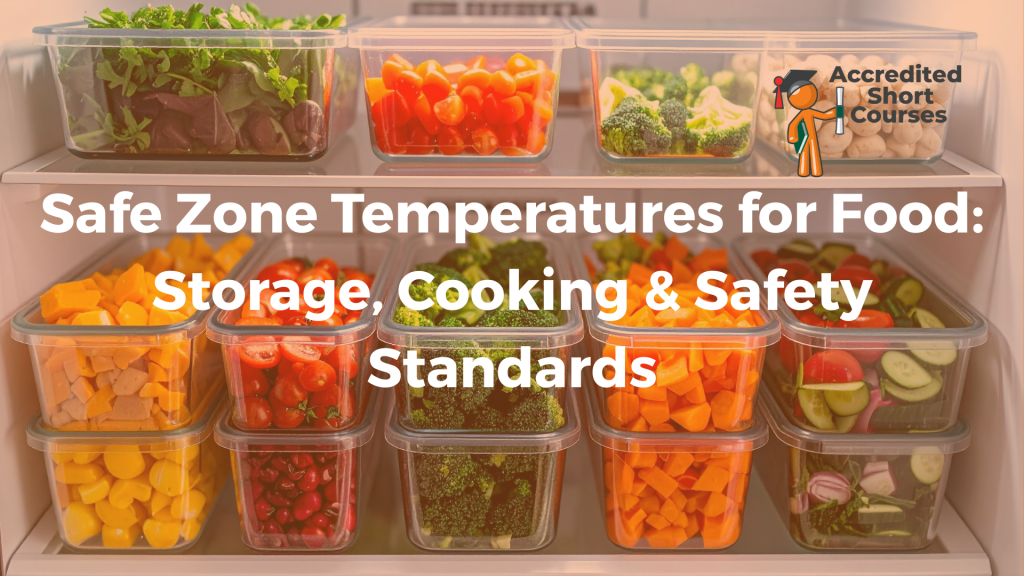
Safe Zone Temperatures for Food: Storage, Cooking & Safety Standards

Safe Zone Temperatures for Food: Storage, Cooking & Safety Standards Key Takeaways Safe cold food storage: ≤5°C Safe hot food holding: ≥60°C Avoid the 5°C–60°C danger zone to prevent bacterial growth Cook meat to safe internal temperatures (poultry 75°C, red meat 63–71°C) Use a food thermometer to check temperatures accurately Monitor and log food temperatures

Safe Zone Temperatures for Food: Storage, Cooking & Safety Standards Read More »

What Temperature Should Frozen Food Be Stored At Safe Freezer Guidelines

What Temperature Should Frozen Food Be Stored At? Safe Freezer Guidelines

What Temperature Should Frozen Food Be Stored At? Safe Freezer Guidelines Introduction Frozen food is a staple in Australian homes, commercial kitchens, supermarkets, and hospitality venues. But keeping frozen food safe requires more than just putting it in the freezer and forgetting about it. Correct temperature control is essential to avoid foodborne illnesses, reduce spoilage,

What Temperature Should Frozen Food Be Stored At? Safe Freezer Guidelines Read More »

Hygiene Practices Essential Tips for Staying Clean Healthy and Safe

Hygiene Practices: Essential Tips for Staying Clean, Healthy and Safe

Hygiene Practices: Personal, Workplace, and Community Health Guide Key Hygiene Takeaways Good hygiene prevents up to 80% of common infections. Daily routines: handwashing, oral care, bathing, clean clothes, trimmed nails. Workplace hygiene improves safety, productivity, and compliance. Food hygiene prevents foodborne illnesses through safe handling and PPE. Consistent hygiene supports mental health and confidence. Community

Hygiene Practices: Essential Tips for Staying Clean, Healthy and Safe Read More »

What Are Food Grade Sanitisers Used for in Kitchens

What Are Food Grade Sanitisers Used for in Kitchens?

What Are Food Grade Sanitisers Used for in Kitchens? Key Takeaways Food grade sanitisers Australia are required for safe kitchens under FSANZ food safety laws. Cleaning removes dirt; sanitising kills harmful microorganisms. Use sanitisers on benches, utensils, cutting boards, and food preparation equipment. Always pre-clean with detergent before sanitising to ensure effectiveness. Chemical sanitisers (chlorine,

What Are Food Grade Sanitisers Used for in Kitchens? Read More »

Safe Food Storage How to Store Food Properly at Home Work

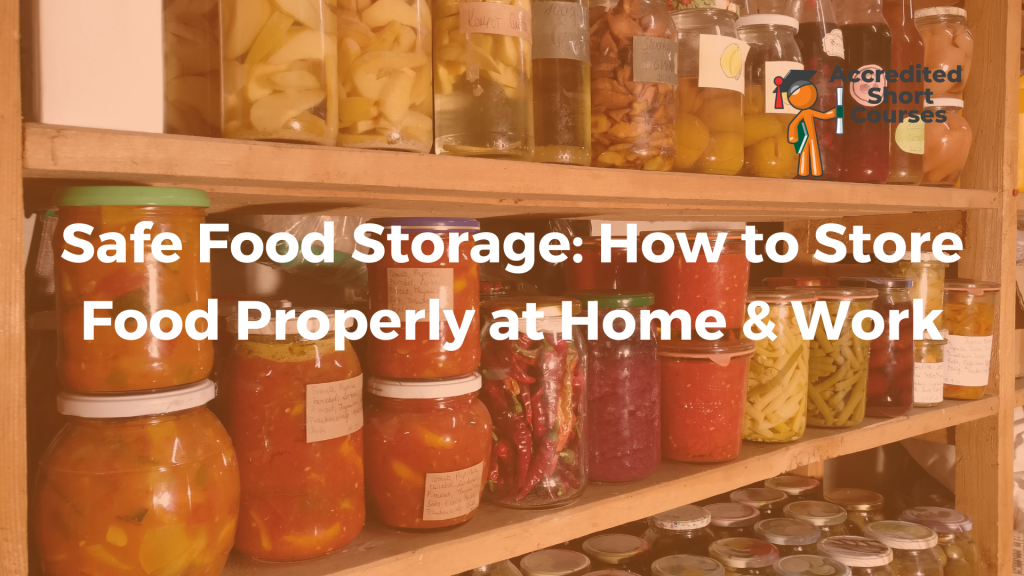
Safe Food Storage: How to Store Food Properly at Home & Work

Introduction Proper food storage is one of the most critical steps in preventing foodborne illnesses, reducing food waste, and maintaining public health in both home and workplace settings. Whether you’re preparing meals in a household kitchen or managing perishables in a small café, understanding the essentials of safe food storage can protect your health and

Safe Food Storage: How to Store Food Properly at Home & Work Read More »

Safe Thawing of Food Methods Temperatures Food Safety Guidelines in Australia 2

Safe Thawing of Food: Methods, Temperatures & Food Safety Guidelines in Australia

Safe Thawing of Food: Methods, Temperatures & Food Safety Guidelines in Australia Introduction Thawing frozen food may seem simple, but doing it incorrectly can pose serious health risks. Whether at home or in a professional kitchen, understanding the proper methods for thawing food is critical to preventing foodborne illnesses and complying with Australian food safety

Safe Thawing of Food: Methods, Temperatures & Food Safety Guidelines in Australia Read More »

Top 30 Examples of Perishable Items Storage Tips

Top 30+ Examples of Perishable Items & Storage Tips

Perishable Items: Examples, Storage, and Safety Tips for Australians Key Takeaways Perishable items spoil quickly without correct storage and include foods, medicines, and cosmetics. Common examples: meat, seafood, dairy, leafy greens, eggs, vaccines, and organic skincare. Perishable vs non-perishable items differ in shelf life and storage needs. Safe storage requires refrigeration below 5°C or freezing

Top 30+ Examples of Perishable Items & Storage Tips Read More »
What Is the Purpose of Food Safety Regulators in Australia

What Is the Purpose of Food Safety Regulators in Australia

Introduction In Australia, food safety regulation is a critical component of public health policy, ensuring the food supply is safe, hygienic, and properly labelled from farm to fork. These systems exist to protect consumers, support international trade, and uphold the integrity of the food industry. Government oversight spans every level, from paddocks and processing plants

What Is the Purpose of Food Safety Regulators in Australia Read More »

Food Safety Test Answers PDF Study Guides Practice Quizzes Resources

Food Safety Test Answers PDF: Study Guides, Practice Quizzes & Resources

Key Takeaways Food safety tests ensure legal compliance and public health protection. Essential for hospitality, aged care, childcare, and food production workers. Topics include hygiene, temperature control, cross-contamination, and cleaning. DoFoodSafely (VIC Health) and Food Safety Australia offer reliable free practice PDFs. Answer PDFs should be used as study guides, not shortcuts. Passing requires around

Food Safety Test Answers PDF: Study Guides, Practice Quizzes & Resources Read More »

Food Safety Program Template Victoria Free Downloads How To Guide

Food Safety Program Template Victoria: Free Downloads & How-To Guide

Food Safety Program Template in Victoria A food safety programme (FSP) is a written plan that outlines how a food business ensures food safety and security. It includes procedures for storage, preparation, cleaning, and staff hygiene, ensuring compliance with the Food Act 1984 (Vic). In Victoria, food safety programs are particularly crucial for Class 2

Food Safety Program Template Victoria: Free Downloads & How-To Guide Read More »

Who Enforces Food Safety Standards in Australia Roles Agencies and Legal Framework

Who Enforces Food Safety Standards in Australia? Roles, Agencies, and Legal Framework

Introduction In Australia, food safety regulations are essential for protecting public health, ensuring food quality, and maintaining consumer confidence. These regulations govern the handling, preparation, transportation, and sale of food from paddock to plate. More than just a set of rules, food safety enforcement plays a pivotal role in reducing foodborne illnesses and ensuring compliance

Who Enforces Food Safety Standards in Australia? Roles, Agencies, and Legal Framework Read More »

cc

What Is Regulated Food? Understanding Food Safety Laws and Storage Standards in Australia

Introduction In Australia, food safety is taken seriously – and for good reason. From the milk in your morning coffee to the chicken in your sandwich, regulated food is all around us. Understanding how food is governed, stored, and monitored is vital for anyone working in food services, healthcare, or childcare, especially as incorrect storage

What Is Regulated Food? Understanding Food Safety Laws and Storage Standards in Australia Read More »

What Food Grade Sanitisers Are Used for in Kitchens

What Food Grade Sanitisers Are Used for in Kitchens

What Food Grade Sanitisers Are Used for in Kitchens – Safety & Standards in Australia Key Takeaways Food grade sanitisers are essential for preventing foodborne illness in Australian kitchens. Sanitisers must be used after cleaning, not as a substitute. Correct dilution and contact time are critical for effectiveness. Compliance with FSANZ and state-based food safety

What Food Grade Sanitisers Are Used for in Kitchens Read More »

Food Danger Temp Safe Food Temperatures and the Danger Zone Explained

Food Danger Temp: Safe Food Temperatures and the Danger Zone Explained

Food Danger Temp in Australia: Safe Food Temperatures and the Danger Zone Explained Key Takeaways Food danger zone in Australia = 5°C–60°C – bacteria thrive here. Keep cold food below 5°C, hot food above 60°C. Use the 2-hour/4-hour rule – refrigerate, consume, or discard safely. Cook chicken to 75°C, reheat leftovers to 75°C. High-risk foods

Food Danger Temp: Safe Food Temperatures and the Danger Zone Explained Read More »

What is PHF Understanding Potentially Hazardous Foods and Their Risks

What is PHF? Understanding Potentially Hazardous Foods and Their Risks

What is PHF? Understanding Potentially Hazardous Foods and Their Risks Key Takeaways PHF stands for Potentially Hazardous Food—foods that require strict time and temperature control to stay safe. These foods provide ideal conditions for bacteria to grow, increasing the risk of foodborne illness. Examples include meat, poultry, seafood, dairy, eggs, cooked rice, pasta, and ready-to-eat

What is PHF? Understanding Potentially Hazardous Foods and Their Risks Read More »

22

Proper Food Storage: Why It Matters for Safety, Quality & Waste Reduction

Introduction Proper food storage is more than just keeping your fridge tidy—it plays a critical role in food safety, quality, and waste reduction. For Australians aged 20–50, especially employees and those new to the workplace or home kitchens, understanding how to store food safely can prevent foodborne illnesses, save money, and protect the environment. This

Proper Food Storage: Why It Matters for Safety, Quality & Waste Reduction Read More »

5 Examples of Potentially Hazardous Foods and Why They Matter

5 Examples of Potentially Hazardous Foods and Why They Matter

5 Examples of Potentially Hazardous Foods and Why They Matter Key Takeaways Potentially hazardous foods (PHFs) need strict temperature control to prevent harmful bacteria. Top PHFs in Australia: cooked rice, poultry, seafood, dairy, and minced meats. Keep foods out of the danger zone (5°C–60°C). Cook poultry and minced meat to ≥75°C; reheat rice to ≥60°C.

5 Examples of Potentially Hazardous Foods and Why They Matter Read More »

3 Potentially Hazardous Foods You Must Store and Prepare Safely

3 Potentially Hazardous Foods You Must Store and Prepare Safely

Potentially Hazardous Foods: How to Store and Prepare Them Safely Key Takeaways Potentially Hazardous Foods (PHFs) need strict temperature control to prevent bacterial growth. Keep cold foods at 5°C or below and hot foods at 60°C or above. Common PHFs in Australia include cooked rice and pasta, meat and poultry, and dairy products. Follow rapid

3 Potentially Hazardous Foods You Must Store and Prepare Safely Read More »

What Is a Potentially Hazardous Food Meaning Examples Safety Guidelines

What Is a Potentially Hazardous Food? Meaning, Examples & Safety Guidelines

What Is a Potentially Hazardous Food? Meaning, Examples & Safety Guidelines Key Takeaways – Potentially Hazardous Foods (PHFs) PHFs are foods that support bacterial growth if not kept at safe temperatures. The temperature danger zone is between 5°C and 60°C. Common PHFs include meats, dairy, seafood, eggs, cooked rice, and ready-to-eat meals. High-risk groups such

What Is a Potentially Hazardous Food? Meaning, Examples & Safety Guidelines Read More »

Essential Safe Food Handling Practices to Prevent Foodborne Illnesses

Essential Safe Food Handling Practices to Prevent Foodborne Illnesses

Essential Safe Food Handling Practices to Prevent Foodborne Illnesses Key Takeaways Safe food handling prevents 4.1 million foodborne illnesses in Australia each year. Always wash hands for 20 seconds before handling or preparing food. Cook poultry to at least 75°C and reheat leftovers to the same temperature. Never wash raw chicken—it spreads bacteria around the

Essential Safe Food Handling Practices to Prevent Foodborne Illnesses Read More »

Select a State/Region

Please select one of the below options to continue.

> RSA Online Australia

> RSA Online VIC

> RSA Online NSW

> RSA Online QLD

> RSA Online WA

> RSA Online SA

> RSA Online NT

> RSA Online ACT

> RSA Online TAS

Select a State/Region

Please select one of the below options to continue.

> RSA Online Australia

> RSA Online VIC

> RSA Online NSW

> RSA Online QLD

> RSA Online WA

> RSA Online SA

> RSA Online NT

> RSA Online ACT

> RSA Online TAS

Select a State/Region

Please select one of the below options to continue.

> RSA Online Australia

> RSA Online VIC

> RSA Online NSW

> RSA Online QLD

> RSA Online WA

> RSA Online SA

> RSA Online NT

> RSA Online ACT

> RSA Online TAS

Select a State/Region

Please select one of the below options to continue.

> RSA Online Australia

> RSA Online VIC

> RSA Online NSW

> RSA Online QLD

> RSA Online WA

> RSA Online SA

> RSA Online NT

> RSA Online ACT

> RSA Online TAS